WHO IS THIS SHIPMENT HELPING?
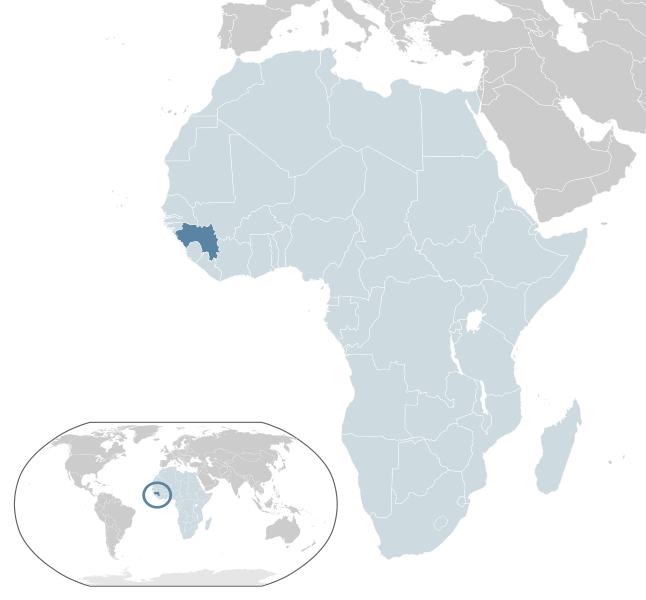
Guinea has long struggled with instability and internal conflict, and this has slowed development. Despite Guinea’s vast mineral wealth, the people of Guinea are amongst the poorest in West Africa and ethnic tensions often boil over into violent clashes. These problems have been made worse in recent years by the arrival of hundreds of thousands of refugees from the neighbouring countries of Liberia and Sierra Leone. Literacy rates are low, with only 46.3% of the population literate, and that percentage is lower still for women.
Our NGO partners in the region are running a number of projects to try and address the multi-faceted problems causing poverty. They travel around rural areas offering their programmes in literacy, small business training and poverty alleviation.
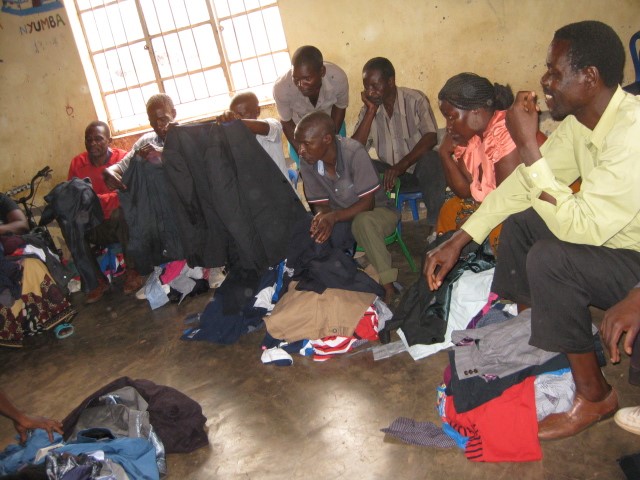
As well as goods to invest in strategic educational projects, they asked for some basic necessities like clothing. “In some areas we have found people without clothes and shoes,” they said, “We help them by providing them these items, particularly children who are walking a lot for school.”
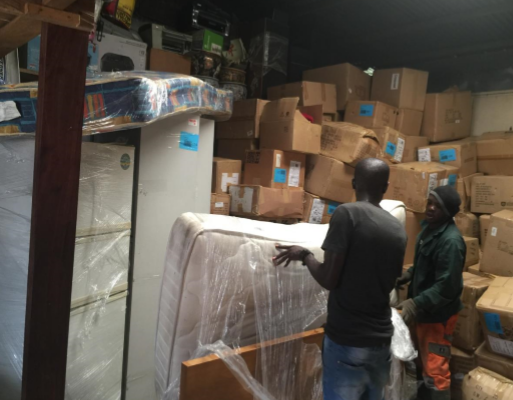
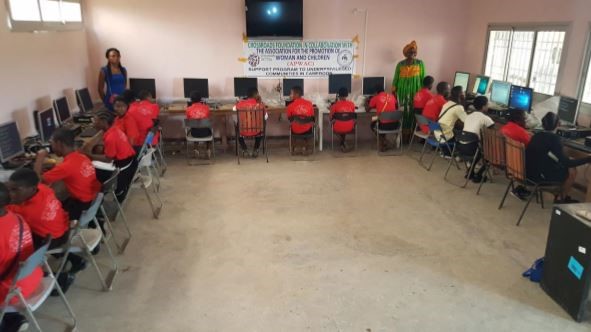
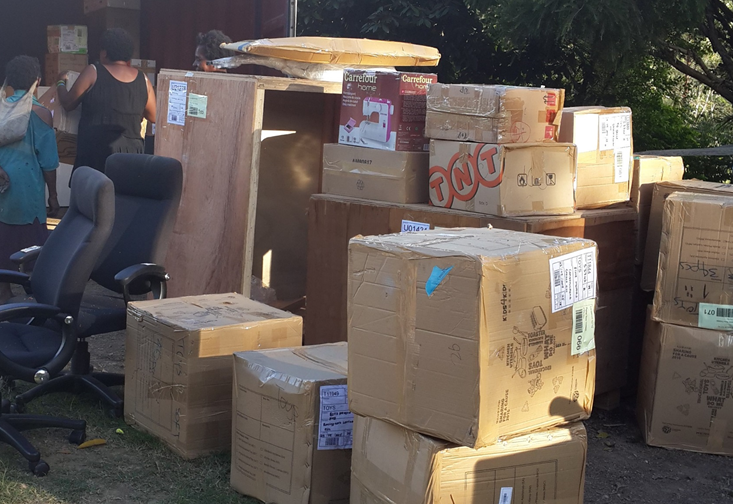
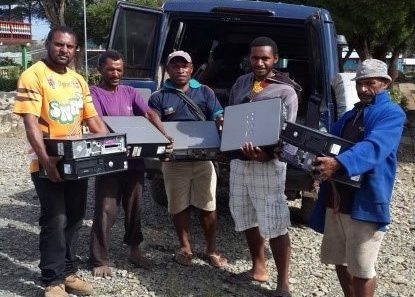
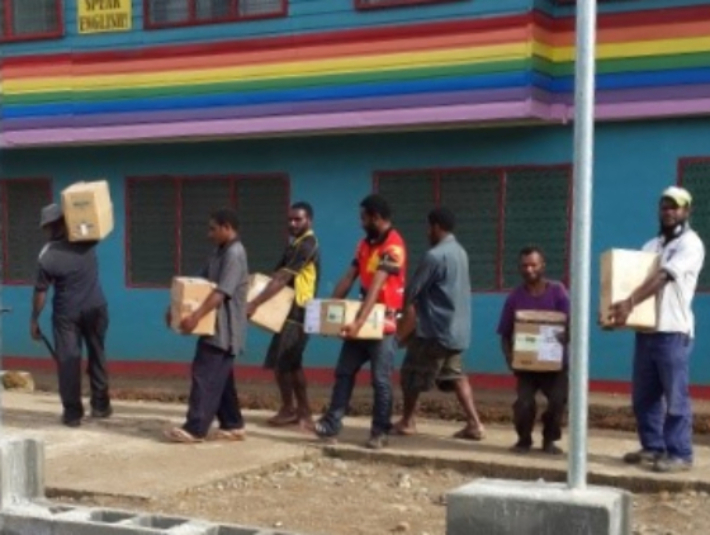
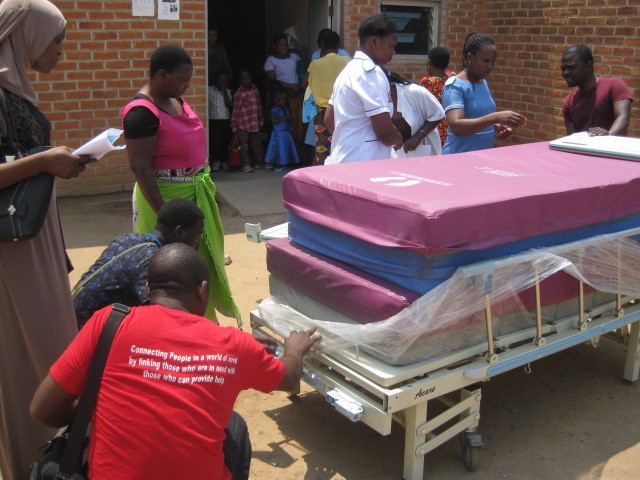
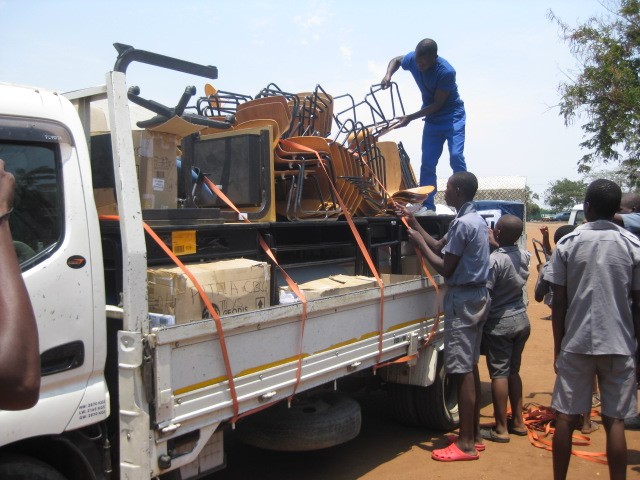
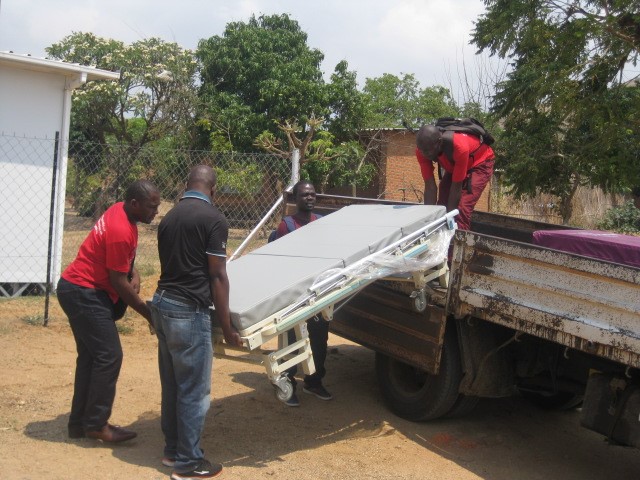
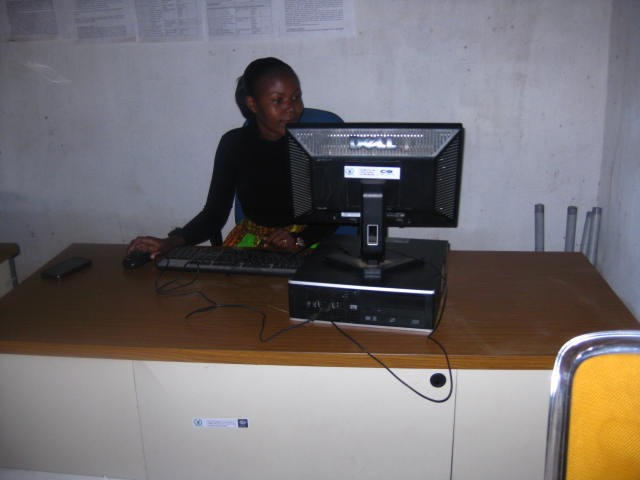
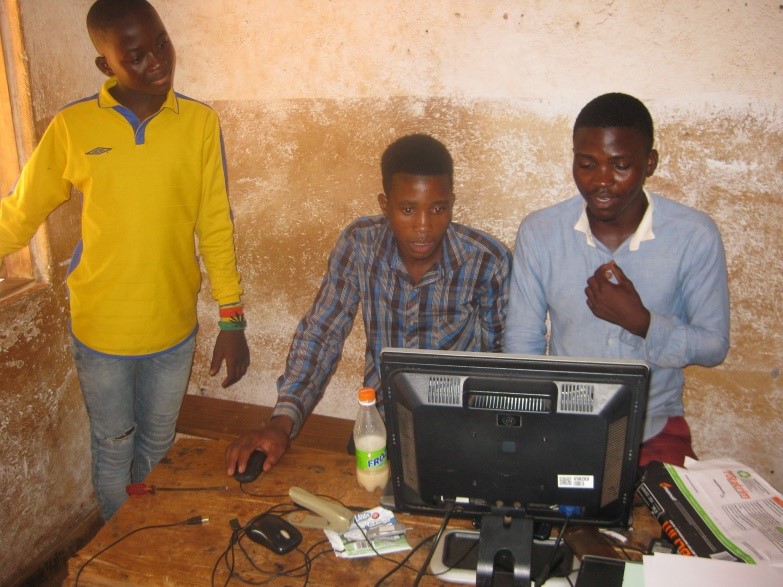
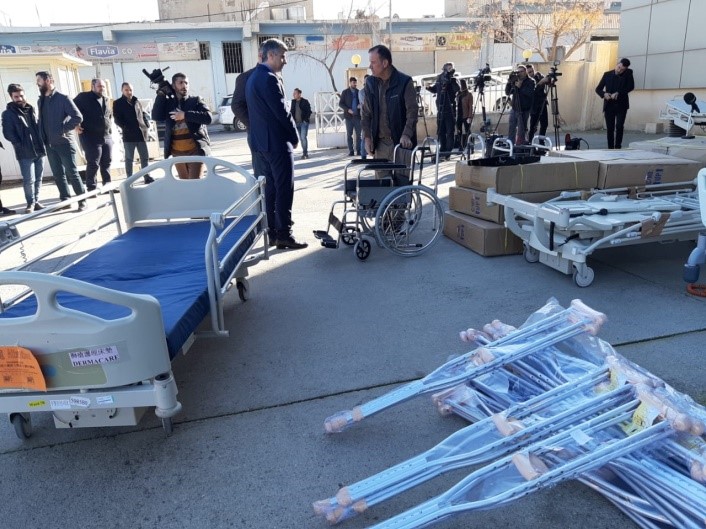
We are preparing a shipment of goods to equip and expand their many projects, including computers, educational supplies, school bags, books, electrical goods, school and office furniture, clothing and more.
LITERACY AS A PATHWAY OUT OF POVERTY
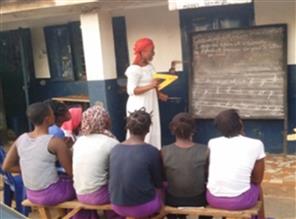 Literacy rates in Guinea are shockingly low: 46.3% (UNESCO, 2014). That means fewer than half of the population can read and write, which helps keep people trapped in poverty. Our partners are pioneering a literacy programme in Guinean communities, whereby they train ‘peer educators’ in how to teach literacy skills to their fellow villagers, then open and manage literacy training centres.
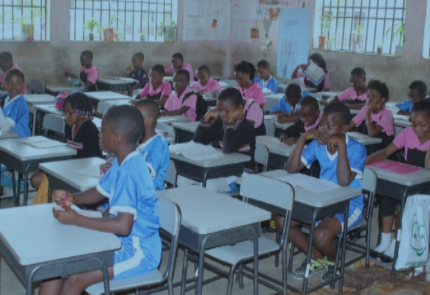
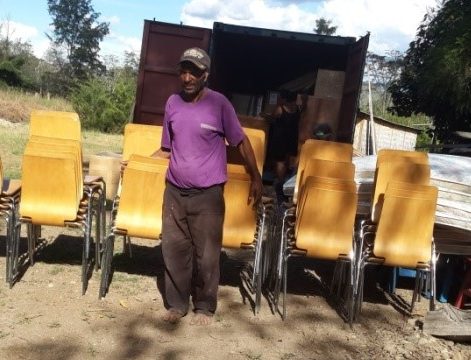
They have told us that they need educational equipment to help bring these centres to life! We are pleased to be including educational goods in our shipment to support their literacy and primary school projects, like books, stationery, furniture, school desks and chairs, and whiteboards.
SMALL BUSINESS SUPPORT
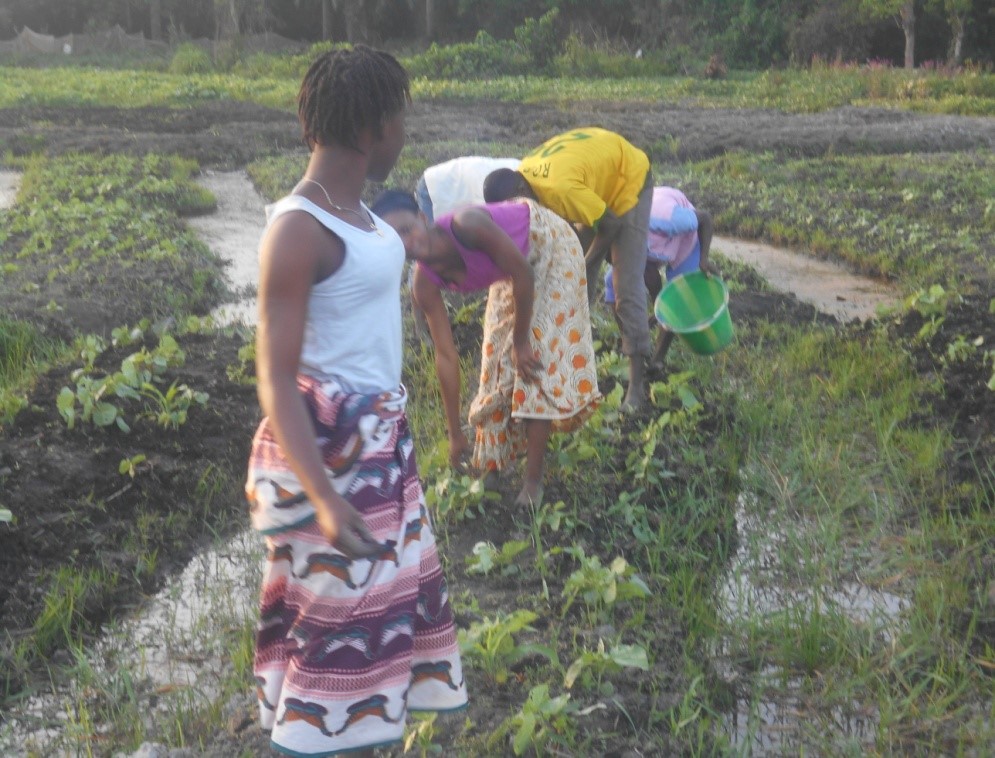
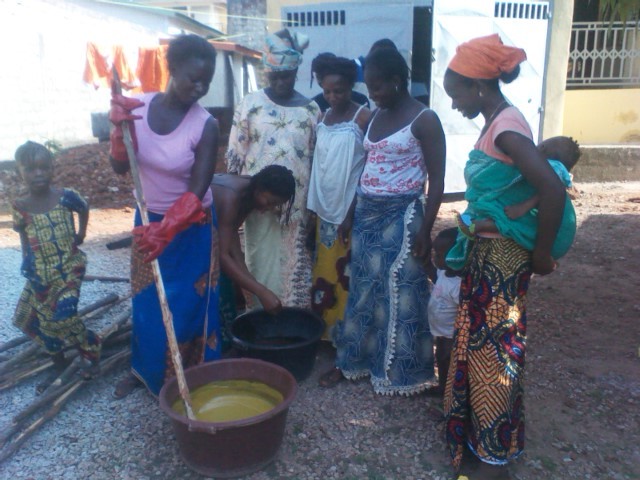 “The aim is to help vulnerable women to become financially independent,” said our partners of their small business startup programmes. They travel the countryside offering training in skills like baking or soap-making, equipping women to start their own business to support their families. Goods from this shipment will help our partners administer programmes like these.
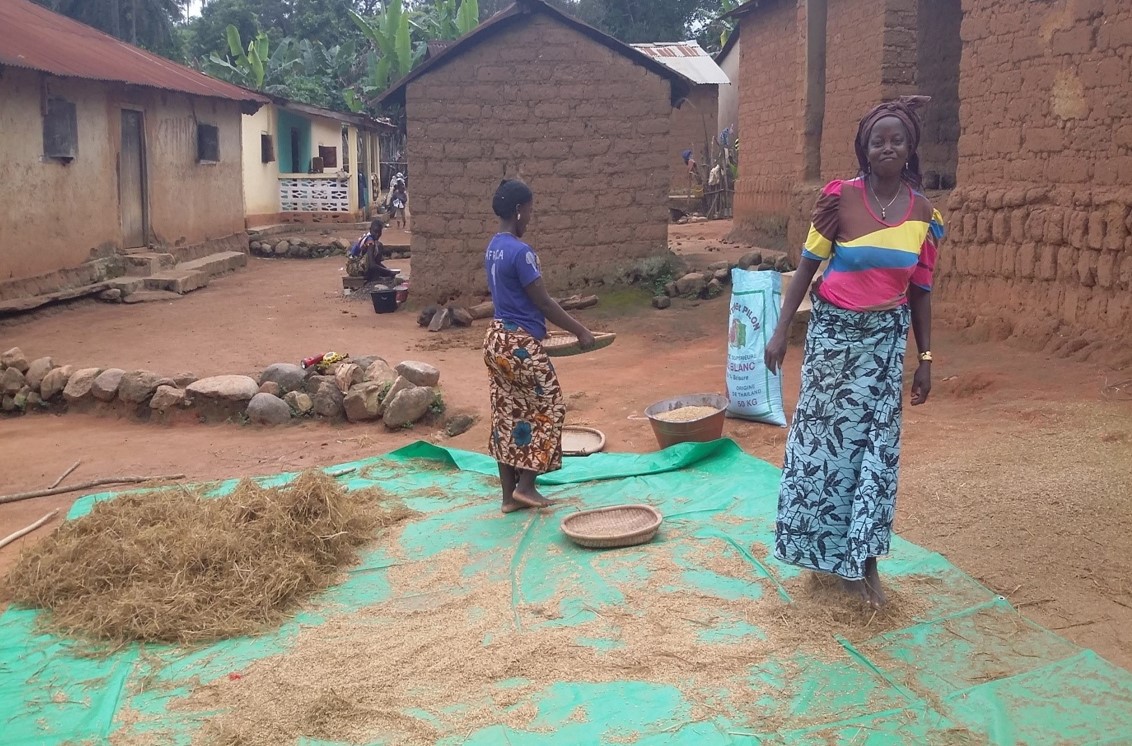
“Guinea has a high level of natural resources,” write our partners, “but most Guineans are living in poverty, particularly in rural areas where women are most affected.” Our partners are working hard on solutions, like small business training, agricultural training and building a new school for children in poverty.
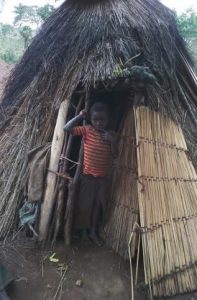
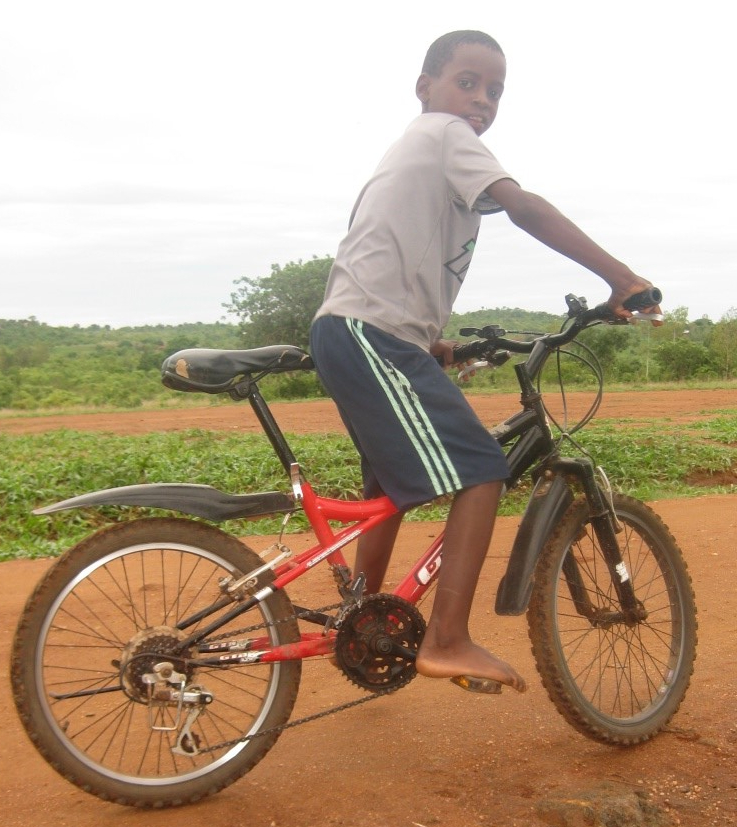
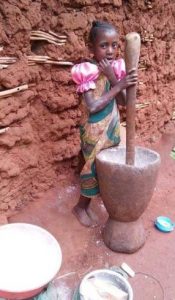 ‘Orphans’ aren’t always those who’ve lost both parents. Many children in children’s homes or in-home care in our partners’ communities, like Doris (right) and Juma (left) have people to care for them, but their relatives are themselves so impoverished that they need extra support from our partners for basics like food, clothing and school fees. Goods from this shipment will support some of those needs.
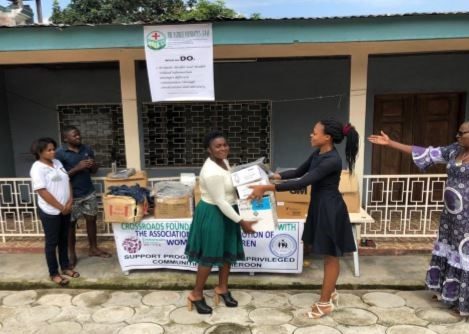
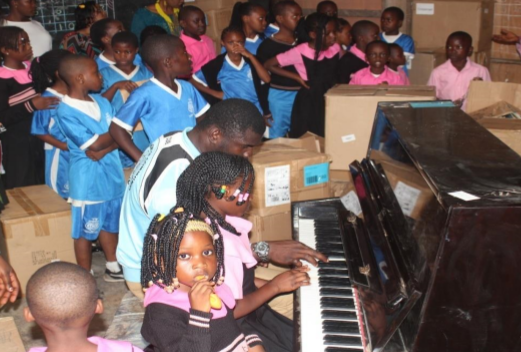
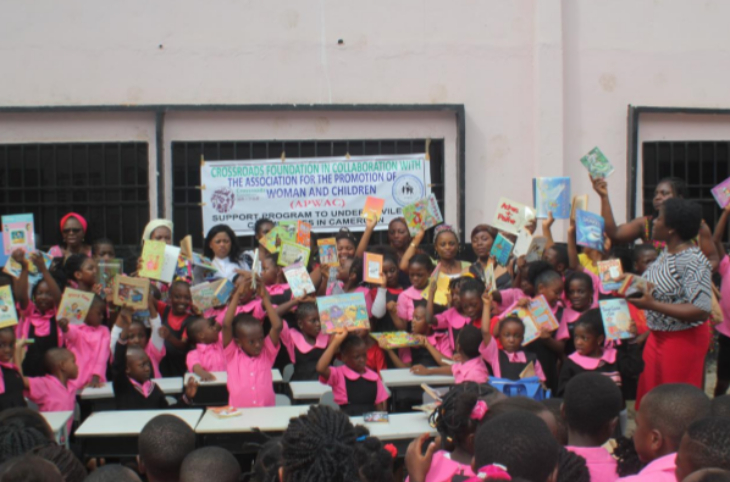
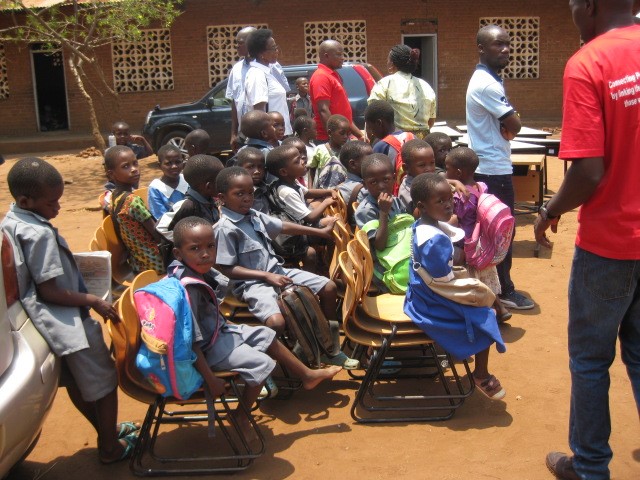
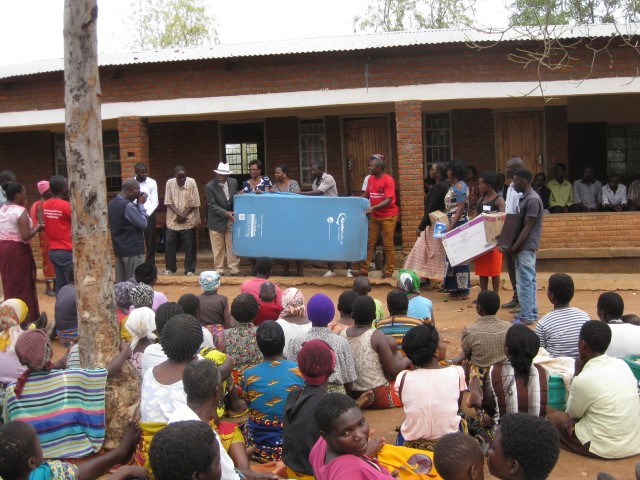
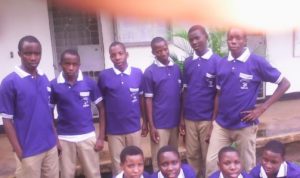 Crossroads shipped to these partners some years ago, sending educational goods, clothing and furniture. Staff wrote of the impact that the shipment made. School books helped raise the grades of primary and secondary students (above), while preschool children now have comfortable furniture to use while learning. Children in their network of children’s centres were grateful for clothing and shoes to help relieve the burden of affording these basic essentials themselves.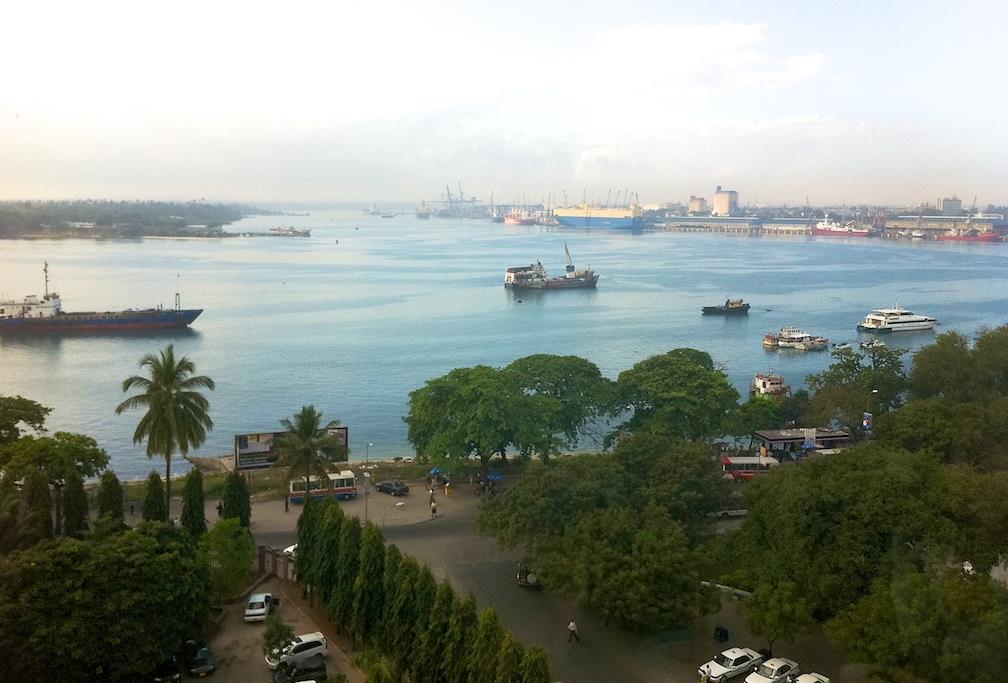
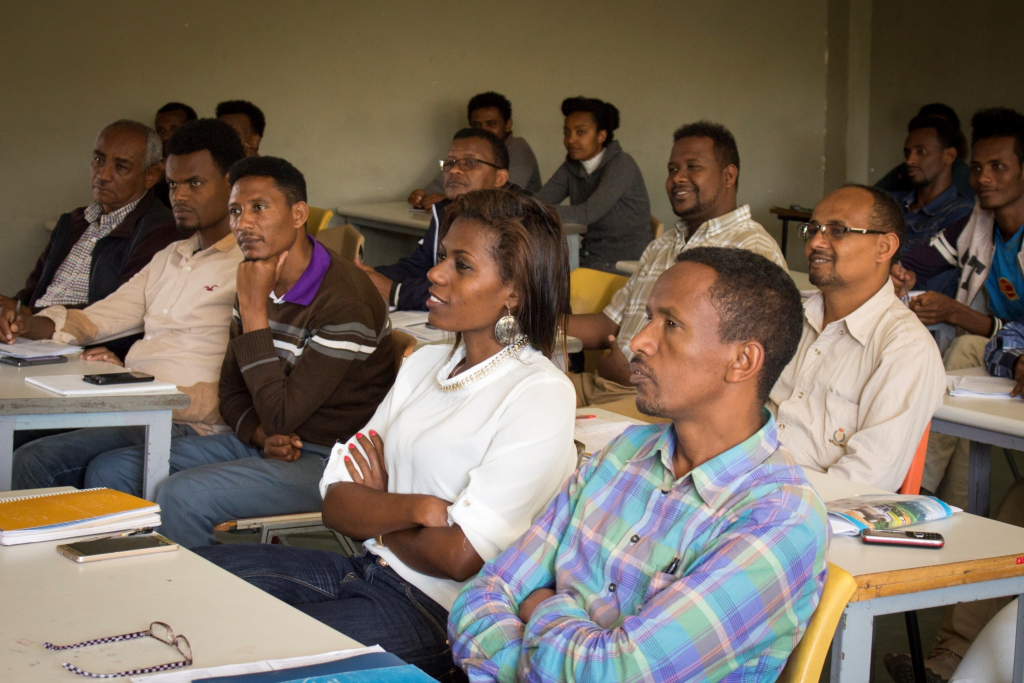
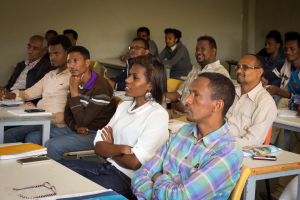 When fighting erupted in Amanuel’s village between different tribes, Amanuel was well trained to help broker peace. He had graduated from our partners’ college in Ethiopia, taking courses in conflict management and resolution as part of his education. Now an elementary school teacher, Amanuel’s training in conflict resolution helped him take leadership in the efforts to solve the village’s in-fighting. He began organising seminars, gathering tribal leaders together to inspire cooperation and peace. His approach was successful, and the community was able to exist in harmony once more, thanks in part to the education Amanuel had accessed through his college. Amanuel is a wonderful example of our partners’ goal of producing graduates ‘passionately committed to transforming their society’.