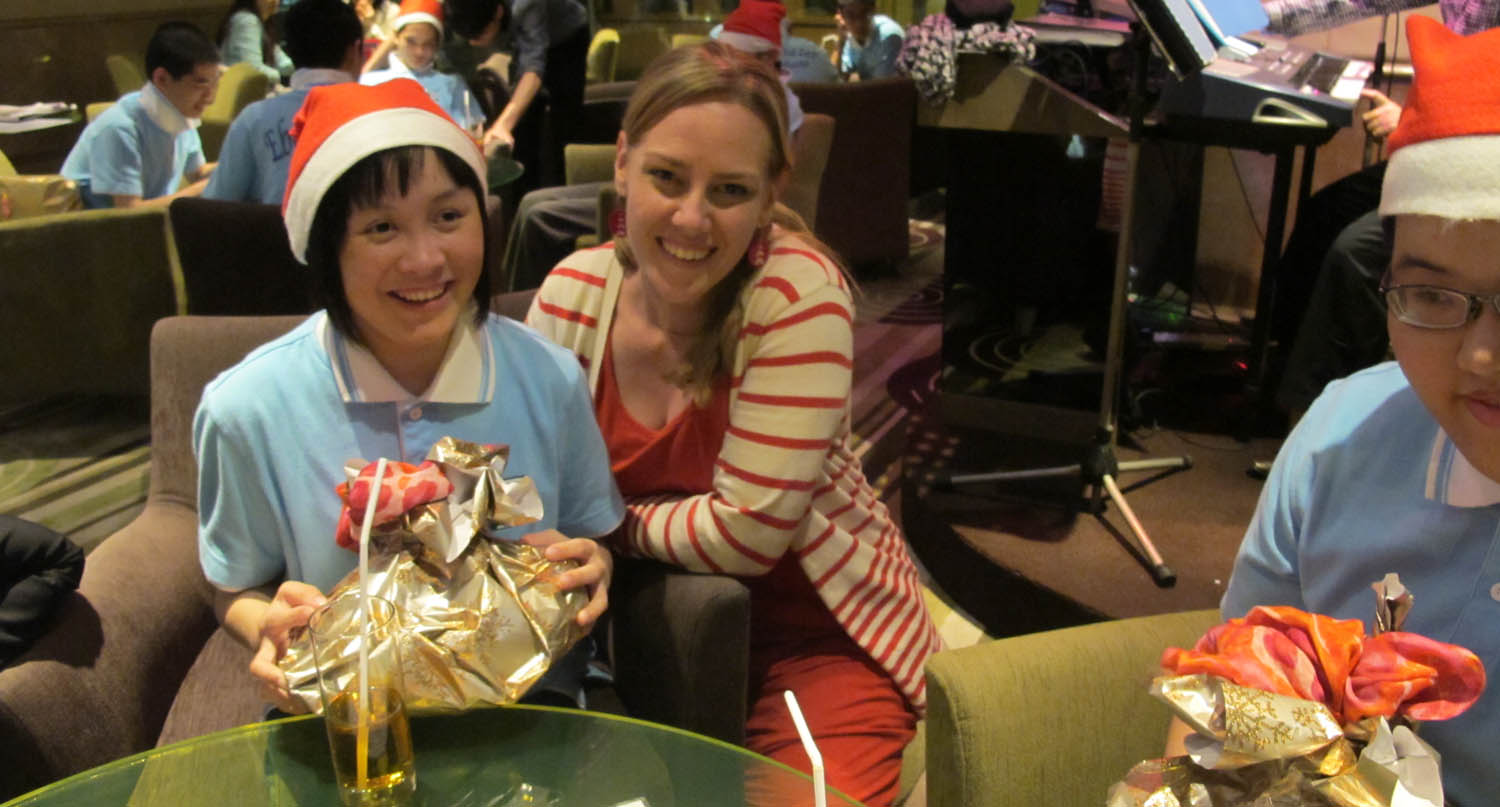
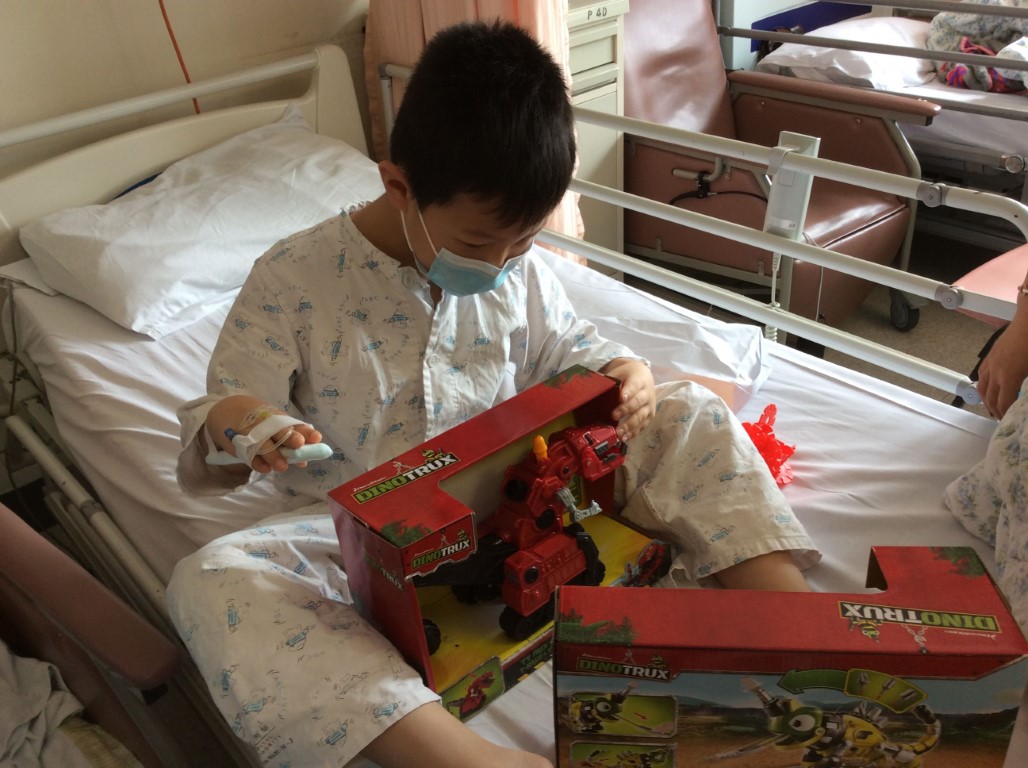
The offer was huge: 7,000 brand new toys, including dinosaurs and remote controlled dolls, all battery operated, from a well-known multinational toy company. It was a larger donation than we could immediately handle at our own warehouse, but we knew there might be Hong Kong NGOs in our Global Hand network who would jump at the offer. We started asking our local partners if they could use the toys for children in their programmes, and several put up their hands, including a project that runs school for sick children in hospital, mobile toy library for underprivileged areas, and a group working with children with special needs.
One little boy with special needs was particularly overjoyed with his new dinosaur. He told staff that he had been wanting a dinosaur toy for a long time, even asking for it last Christmas. “My wish has come true!” he shouted joyfully, clutching the toy for dear life.
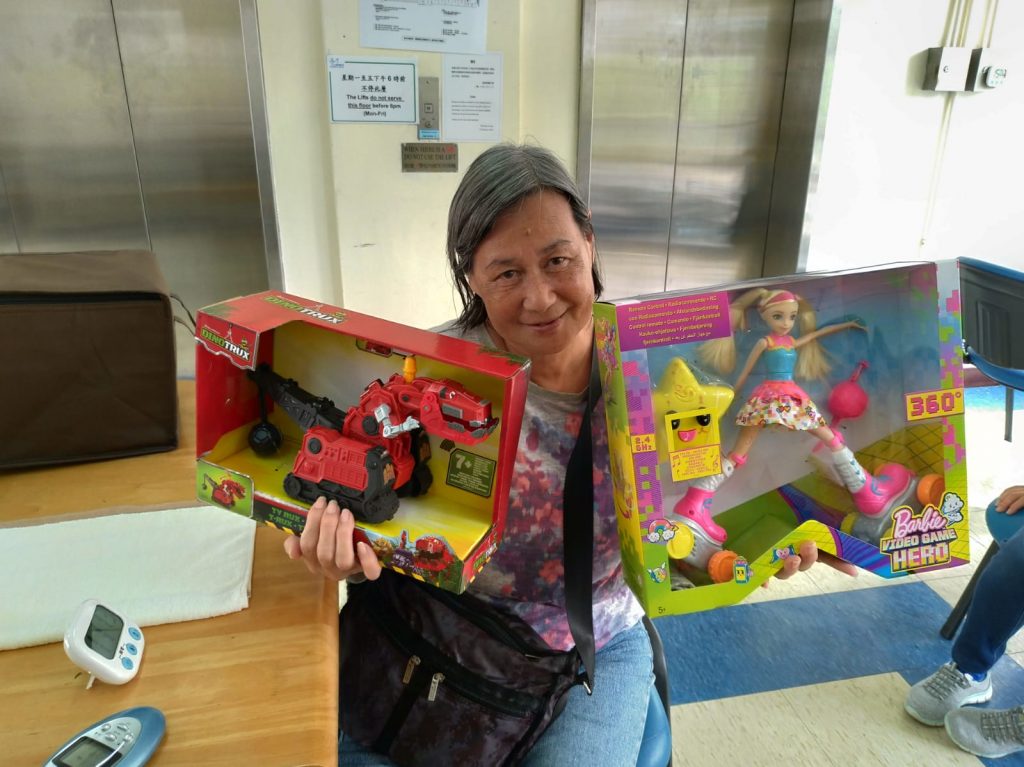
The ripple effects of these toys are being felt beyond their young recipients. One of the NGOs who received toys runs an evening meal box programme for elderly in poverty, and some of the toys were given out to elderly for their families. Yuk Ching, who attends the programme, is an elderly grandma living on a shoestring budget. She spoke with tears in her eyes of what the gift meant to her and her family: “As a grandmother, I never give any gifts to my grandchildren,” she said. “I don’t know where the toy shops are, and I can’t afford it. This is the first time I’ve been able to give gifts to my grandson and granddaughter!”


 Louis’ parents were very worried when, at 14 years old, his special school closed its doors and he was left with nowhere that could cater for his special needs. Louis, who has autism and cannot talk, has attended special schools since he was 3 years old. Most of the schools his parents could find would only take young children, rather than teenagers or adults. They worried Louis would never learn the life skills he needed to be independent, or even hope to find a job. Thankfully, they discovered our partner’s school and now at 20 years old, Louis is thriving.
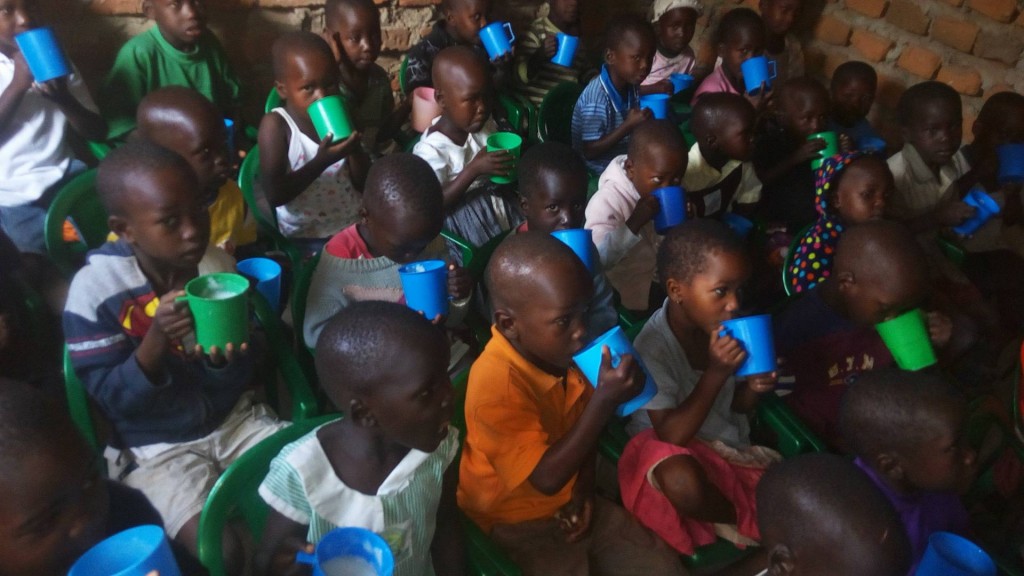
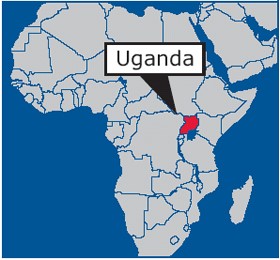
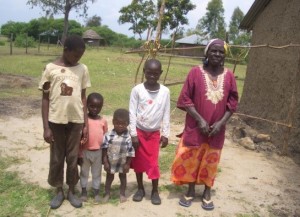
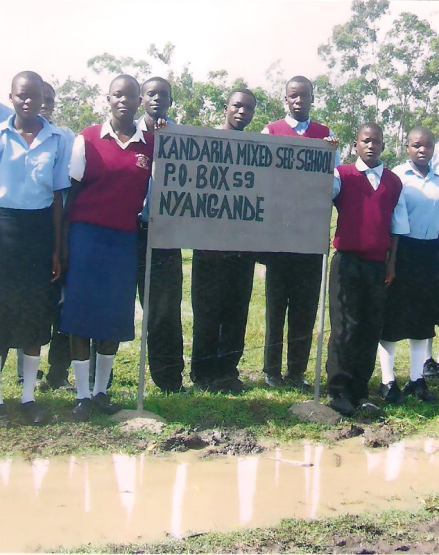
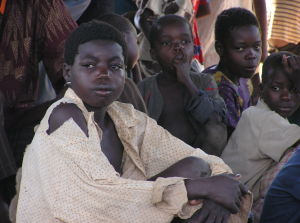 37.7% of Uganda’s population lives below the international poverty line of US$1.25 per day. Orphans and vulnerable children may find it impossible to break free from the poverty cycle without the kind of intervention that our partners are giving.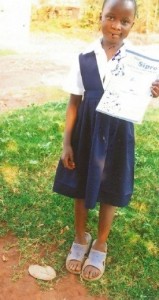
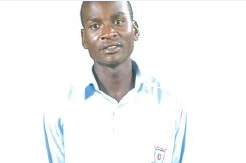 When Gerald was only 10, both his parents died, leaving him in the care of his 16-year-old sister. Gerald, not yet a teenager, started selling cocaine to make enough money to survive and to go to school. Gerald’s sister found her ‘escape’ by leaving home and marrying quickly, and young, which left Gerald completely alone, living in a 2-bedroomed grass hut that was in disrepair and falling down around him.