Orphanage and food distribution
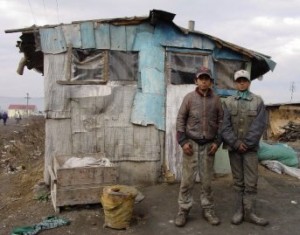 The last 25 years have been a difficult period for Romania.
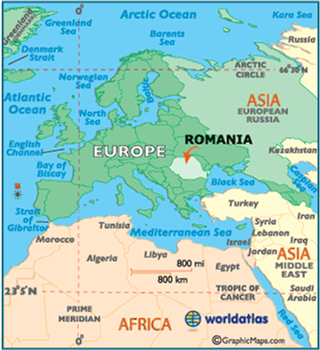
Despite large strides, the poverty rate in Romania is still among the highest in the EU. Around 20% of the people currently live in poverty, on an income of less than US$3.50 a day. Children living on the streets, especially common amongst the marginalised Romani people (gypsies), are vulnerable to trafficking and abuse. Crossroads’ consignee runs and orphanage that is turning around the lives of street children by giving them shelter and education, and establishing food distribution centres throughout Romania. Our shipment will help them expand their services to care for 100 more children.
Potential impact:
- Winter clothing for 2000 children
- Increased capacity of the orphanage for 100 children
- School supplies for 2000 children
- Computers for education use
Shipment includes:
- Beds, blankets, pillows and other bedding related items
- Computers
- Winter coats
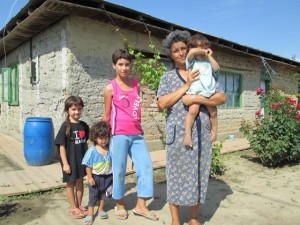 “Today we have 90 children,” writes our partner. “The fact is that all of our children are angelic and beautiful, but they did not arrive that way. At first they are frightened, distrustful, undernourished, and covered with lice and internal parasites. Many of the new children have lived such difficult lives that they barely even know how to play or laugh with other children. All that they know is hunger and basic survival. Some have spent time on the streets begging daily for food or for a few coins to give to an alcoholic parent. They are familiar with filth and being cold without a coat or shoes. Some have been beaten, and some have been abused. When you add these factors together and put it all inside of a little boy or little girl, he or she does not appear very pretty.
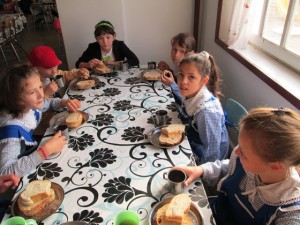 Within a few weeks or a month, their hearts begin to soften as they realize every day breakfast will be waiting for them, and also lunch, dinner, and even a mid-afternoon snack. Changes also begin to happen when they are treated for the health and parasite problems, given clean clothes, and a warm bed provided. Soon they are running in the yard and playing with the other children.’’
Crossroads’ shipment will help another 100 children in Romania to escape the streets to find shelter and a normal life.
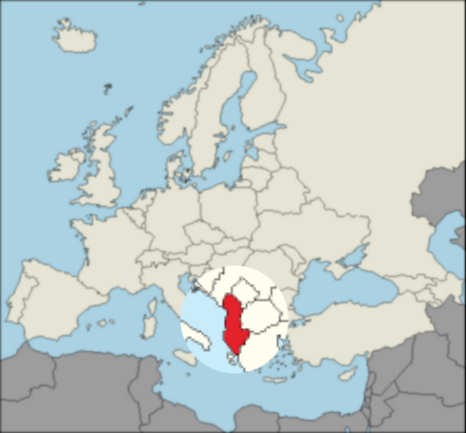
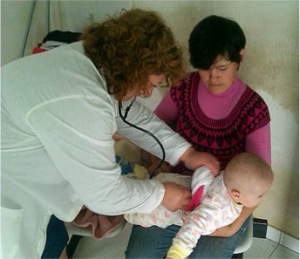 Albania is the 4th poorest country in Europe. The Dibra region is among the poorest regions of Albania. People living in Dibra, Northern Albania, are the ones left behind. Here, unemployment is high, people are migrating in search of jobs and healthcare is scarce. “Pediatricians say it is difficult for them to provide the right diagnosis because they can’t do the right examination. They said that they only have stethoscope and their knowledge and that’s all.”
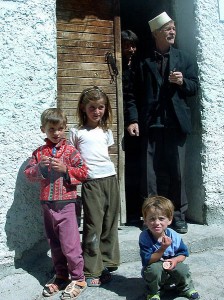 Dibra is one of the poorest areas in the Albania. Incomes are so low for families that most of them are only surviving. Emigration is sometimes a solution, but this creates its own difficulties for the family or even for the community. Agriculture is one of the remaining sources of income, but farmers often can’t sell their produce (because of the geographical location, road infrastructure, etc). Many families receive social assistance, but say the amount must stretch so far that even a sack of flour is too much to afford.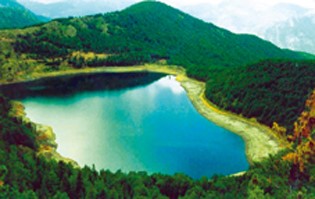
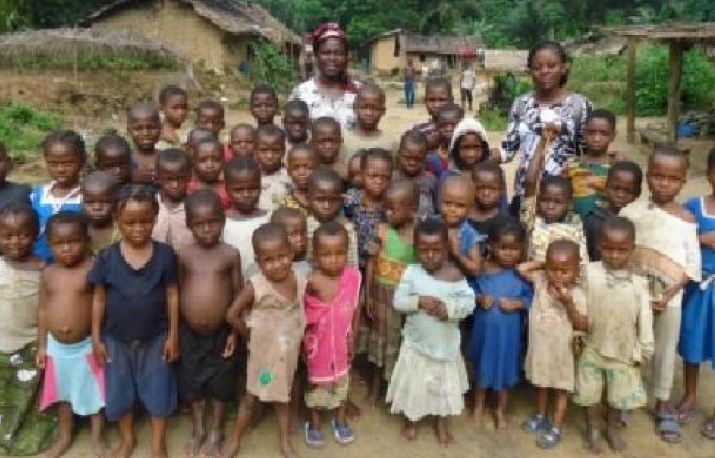
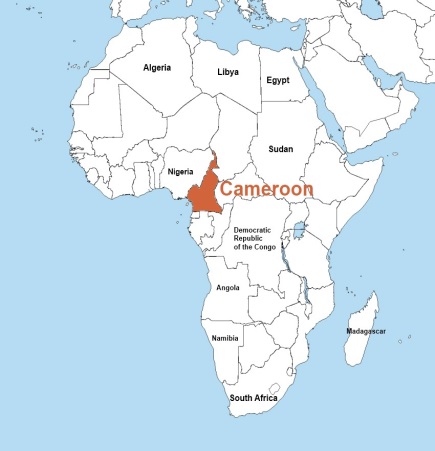
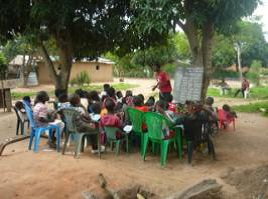
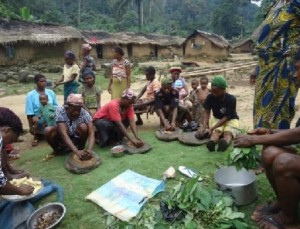 “It was not that they did not have the food needed for a healthy diet,” one NGO staff member told us, “but that they did not know how to go about it.” After running seminars on food and nutrition (left), they saw the women eagerly learn what kinds of proteins and vegetables would give their children a balanced, healthy diet. Now, families in these Cameroonian villages grow beans and smoke fish to eat with their plantains and grind peanuts into paste for a nutritious, protein rich food, even growing enough to sell at market. It’s basic knowledge that has revolutionised the health of the community, meaning less sickness, fewer children dying early, and women better empowered to take care of their families.