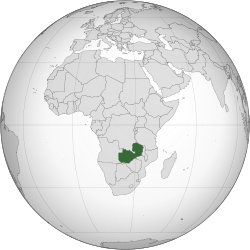
Zambia is considered one of Africa’s success stories, enjoying internal peace, good governance, and economic growth. However, as in many countries, the growth in prosperity, educational opportunities, and employment has flowed disproportionately to the cities. Many rural communities continue to struggle with poverty, lack of roads, schools, health services, and electricity. Traditional attitudes towards women also hold many back from schooling and professional training.

Crossroads’ partner NGO has been working to overcome this urban-rural divide through projects that include building and equipping schools and health centres, providing academic scholarships and vocational training, and advocating for the rights of women and other marginalized groups in remote areas.

Following positive changes and enthusiastic community responses to the distribution of goods from Crossroads’ first shipment to them four years ago, our partner has reached out again for assistance. This time, the aim is to equip schools and clinics in three additional districts, as well as to upgrade their own training centre to meet the requirements for national certification.

This shipment will include school and office furniture, computers, electronics, and stationery, along with kitchen and household goods for training and residential facilities.
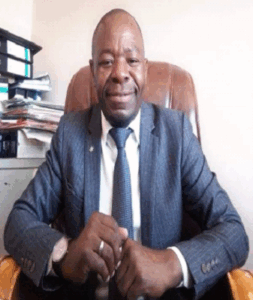

Albert Malichanga is one of our partner’s individual success stories. Having witnessed his determination to succeed despite growing up in dire poverty, they provided him with goods in kind and scholarships, enabling him to complete his education and secure a good job in the civil service.
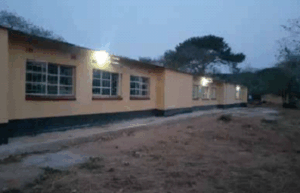

Before our partners built this school (complete with solar power!) on a remote island in one of Zambia’s large lakes, secondary students had to paddle flimsy canoes over a lake with hippopotamus and crocodiles to reach a school on the other side of the lake.
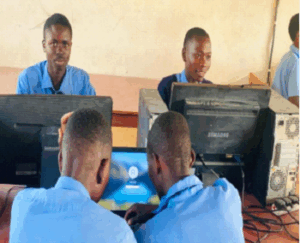

The first computers to arrive on this island came from Crossroads’ previous shipment and were set up in the school. This greatly impressed visiting government inspectors, who then officially upgraded the school to a Year 12 examination centre.
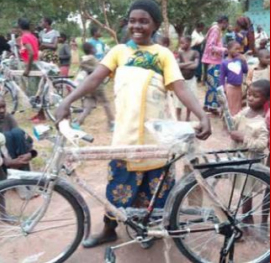

This photo shows the empowering moment when community health care workers received bicycles,” our partners wrote. “The bicycles were strategically distributed to increase mobility and bridge the gap in accessing remote rural villages. This significantly multiplies the scope and efficacy of their life-changing interventions.

Additionally, the basic medical equipment in the shipment (such as hospital beds and wheelchairs) greatly eased our workload, enabling us to focus on what matters most – saving lives!
Our upcoming shipment will include more bicycles and hospital beds.
Zambia

Population: 20.8 million (2024 estimate)
Capital: Lusaka
Poverty rate: 60% (2022)
Percentage of people with internet access: 31%

Despite enjoying relative political stability compared to its neighbours, Zambia still faces social challenges and poverty particularly in rural areas. Thankfully, Zambia’s improving economy has meant steadily decreasing unemployment, increasing life expectancy, and lower rates of HIV/Aids.
The country is also a refuge for tens of thousands of refugees who have fled civil war and violence in neighbouring countries such as Angola, putting a strain on local
communities.
Sourcs: CIA Factbook

Benin: New hope for the vulnerable and isolated

Benin, West Africa, is a land rich in natural beauty, but it is sadly also one of the world’s poorest nations....
read more ...

Guinea: Building infrastructure and skills

Since governmental structures in Guinea finally stabilised about fifteen years ago, the country’s economy has gradually improved. However, refugees fleeing civil...

read more ...

Malawi: Looking up and forward

Malawi is a country working hard to lift its people out of its challenging history.  Since gaining independence nearly sixty years...

read more ...

Cameroon: Empowering and rebuilding

Crossroads’ partner for this shipment originally began their work in a busy market town, aiming to provide support for widows, a...

read more ...

In the poorest region of the poorest country in Europe, with more than 50% unemployment, a high level of alcoholism, and many able-bodied adults moving abroad to find jobs, many children in Transnistria are left to fend for themselves or placed in overcrowded and underfunded government-run children’s homes.

The founder of our partner organisation was heartbroken when he realised the plight of these children and immediately set about asking for donations of warm clothing and shoes for them.

From those small beginnings, this work has expanded to address many different needs in the community. They place particular emphasis on providing life skills and vocational training for young people who leave state care at eighteen years old without ever having been shopping, or washed clothes or dishes in their lives. These and many other projects are largely funded by running a chain of second-hand shops that provide employment as well as cheap, quality goods for nearby residents.

Crossroads’ continuing shipments to this group provide items ranging from computers and household goods for training centres and group homes through clothes and toys for those in state care to wallpaper, baby care items, and furniture.


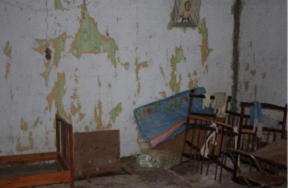
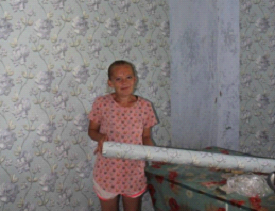
The Yakimenko family, with 4 young children, were living in a broken-down hovel. Our partners supplied them with paint, wallpaper, cement, carpet and helpers to transform the place into a comfortable home.


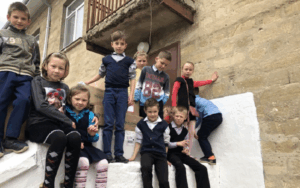
In the chronically underfunded government-run children’s homes in the break-away region of Transnistria, Crossroads’ continuing shipments go a long way to providing good clothing to the children in state care.


Lyuba grew up in a state-run children’s home and was delighted to “get her freedom” when she turned 18. Like many such young people she unfortunately lacked necessary skills such as time management, budgeting, or how to find a job. She went down a very dark path, became pregnant, and when she gave birth to baby Alexander, he had some physical deformities.

She wanted to abandon him, but one of our partner’s workers (who had also grown up in a state home) was able to encourage Lyuba and put her in contact with various agencies who could help her. Alexander had a surgical correction and is now happily attending kindergarten. His mother continues to receive skills training and psychological support from our partners, and is enjoying being a mother.


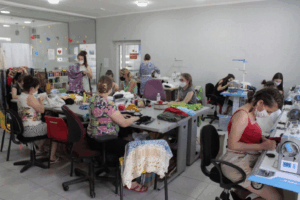
A place in one of our consignee’s vocational programmes, such as this sewing class, is greatly coveted! Crossroads has provided much of the furniture as well as fabric and haberdashery items.

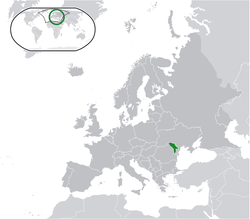
Moldova

Population: 3.55 million
Capital: Chișinău

Moldova is the poorest nation in Europe. There are currently 7,000 children in state-run institutions but only 2% are orphans. The others were mostly abandoned by parents because of poverty.

Moldova is a landlocked country in Eastern Europe, formerly part of the Soviet Union. Our partner project is actually based in Transnistria, a breakaway state, autonomous but with limited international recognition. It has a population of 505 thousand, and its capital is Tiraspol. The regional government is strongly pro-Russia, with a socialist/ communist ethos.
Source: Wikipedia & project brief

Benin: New hope for the vulnerable and isolated

Benin, West Africa, is a land rich in natural beauty, but it is sadly also one of the world’s poorest nations....

read more ...

Guinea: Building infrastructure and skills

Since governmental structures in Guinea finally stabilised about fifteen years ago, the country’s economy has gradually improved. However, refugees fleeing civil...

read more ...

Malawi: Looking up and forward

Malawi is a country working hard to lift its people out of its challenging history.  Since gaining independence nearly sixty years...

read more ...

Cameroon: Empowering and rebuilding

Crossroads’ partner for this shipment originally began their work in a busy market town, aiming to provide support for widows, a...

read more ...

For thousands of children in Cameroon, just getting to school each day can be an impossible challenge. Children from poor families face hurdles like not having school materials, the right clothing and shoes, or needing to stay home to take care of younger siblings or go out to work to help their family survive. Over the past several years, these issues have been compounded by nearly a million Cameroonians having been forced from their homes by regional violence. More secure areas have found their already meagre resources – housing, health and educational facilities – stretched to breaking point.

Crossroads’ partners for this shipment have for many years worked to establish and equip kindergartens, schools and vocational training centres. Since our first shipment to them in 2010, enrolments in their programmes have multiplied many times over, with earlier graduates doing everything from running small businesses to returning to the schools they had attended as teachers.

This will be our eighth shipment to this group. We will send more school and vocational training equipment to allow them to expand their services to include more of the tens of thousands of young people flooding into their project areas. The leaders have also asked for basic household furniture and goods to assist people with resettlement, gym and sports equipment to provide healthy recreation opportunities for young people (many of whom are unemployed), and hospital beds for clinics and health centres struggling to expand their services to the burgeoning population.


‘One child, one tree’
How do you encourage young children who live day by day in poverty, about the value of a long-term investment? Our partners noticed that students in their schools needed help understanding how a little care each day can lead to a more valuable result over time. So, they started the ‘one child, one tree or chicken’ project, giving each child a tiny plant or a baby chick to take home over the long summer vacation. After nurturing their chicken or tree, the children bring them back to school, and auction off the mature produce to an assembly of parents and teachers! “This unique approach teaches children to take care of livestock and familiarizes them with practical life skills, learning how to protect and respect nature,” write our partners. Crossroads’ shipment will include goods to support the administration of a rich variety of projects in community schools like these.


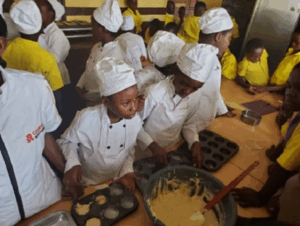
Ovens and baking utensils from a previous shipment are already having a positive impact on both attendance rates and children’s nutrition at this rural infants and primary school. This shipment will include more kitchen equipment and appliances so that this programme can be extended to other schools.


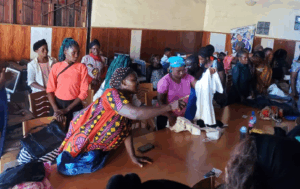
Women who escaped violent destruction of their home villages with only the clothes on their backs attend a clothing distribution event.


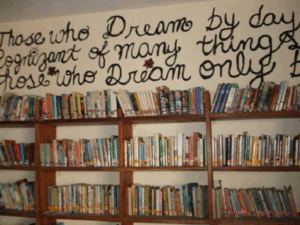
Books from Crossroads’ previous shipments have formed the basis of several school and community libraries.

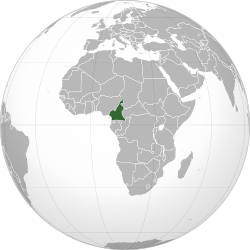
Cameroon

Population: 30.96 million
Nearly half the population is under 15.
Capital: Yaoundé

Cameroon is located in the west of Central Africa and features diverse natural landscapes, including beaches, deserts, mountains, rainforests, and savannas.

Since 2017, tensions between English- and French-speaking populations have escalated into a full-scale civil war. There has been widespread destruction of lives and infrastructure, particularly in the minority Anglophone regions, with many internally displaced people searching for safe areas where they can rebuild their lives.
Source: Britannica, CIA Factbook

Benin: New hope for the vulnerable and isolated

Benin, West Africa, is a land rich in natural beauty, but it is sadly also one of the world’s poorest nations....

read more ...

Guinea: Building infrastructure and skills

Since governmental structures in Guinea finally stabilised about fifteen years ago, the country’s economy has gradually improved. However, refugees fleeing civil...

read more ...

Malawi: Looking up and forward

Malawi is a country working hard to lift its people out of its challenging history.  Since gaining independence nearly sixty years...

read more ...

Cameroon: Empowering and rebuilding

Crossroads’ partner for this shipment originally began their work in a busy market town, aiming to provide support for widows, a...

read more ...

Having spent years working to train and empower “left behind” people in western Africa – those being mostly women and orphans – Crossroads’ partner now has an additional challenge in the Cameroonian part of its work. As well as continuing to provide educational opportunities and medical services to their target communities, the group is now also assisting internally displaced people as they try to re-establish themselves in more secure parts of the country.

Crossroads previously sent a container of goods to this partner which assisted them in expanding school facilities, livelihood programmes and vocational training schemes. They reported that this support helped to stabilize communities, reduce violence and unemployment, and empower women to start their own small businesses.

This NGO has once again requested assistance from Crossroads. They are particularly asking for tools both for vocational training and building of new houses and classrooms to accommodate internally displaced people settling in the region. Computers are also much needed to allow health centres to upgrade record keeping from paper files as well as being able to research more possible treatments and ask advice from specialists in larger hospitals. We will also ship school, home and office furniture, stationery supplies and clothing for new arrivals in the area.


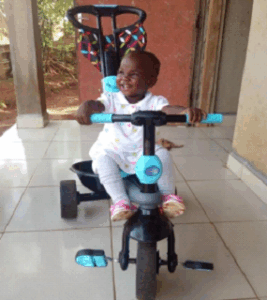
This toddler just thought the beautiful tricycle from Crossroads’ previous shipment (still much too big for her to pedal!) was just for her. In reality, it was for her mother. With a large tray behind the seat and a carry bag attached to the tall handle, the young widow with a new baby to carry can also carry goods to sell and purchases from the market more easily and safely.


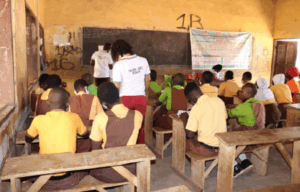
Any school is better than none! Crossroads’ partner works tirelessly to provide education for internally displaced children and others in rural areas. This shipment will include school furniture and equipment that will both extend their reach and improve standards in existing schools.


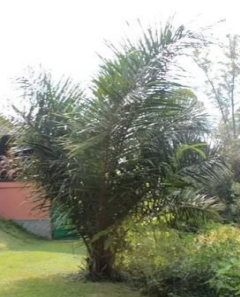
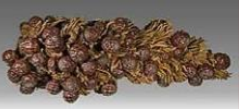
Plantations of the raffia palm (above) once provided a source of income in our partner’s target area. Now many plantations and natural stands have been destroyed in recent years of civil unrest. Replanting of palms is part of a long-term project to provide vocational training and sustainable income, firstly through agricultural best practice, then later through craft and thatching using the long fronds and also production of medicines and cleaning products using the fruit.


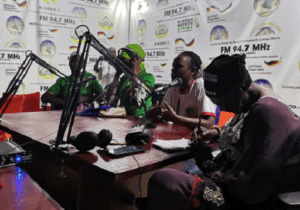
The shipment will also include audio and computer equipment to update and upgrade our partner’s radio station which broadcasts educational and community interest programmes in local languages.

Cameroon

Population: 30.96 million
Nearly half the population is under 15.
Capital: Yaoundé

Cameroon is located in the west of Central Africa and features diverse natural landscapes, including beaches, deserts, mountains, rainforests, and savannas.

Since 2017, tensions between English- and French-speaking populations have escalated into a full-scale civil war. There has been widespread destruction of lives and infrastructure, particularly in the minority Anglophone regions, with many internally displaced people searching for safe areas where they can rebuild their lives.
Source: Britannica, CIA Factbook

Benin: New hope for the vulnerable and isolated

Benin, West Africa, is a land rich in natural beauty, but it is sadly also one of the world’s poorest nations....

read more ...

Guinea: Building infrastructure and skills

Since governmental structures in Guinea finally stabilised about fifteen years ago, the country’s economy has gradually improved. However, refugees fleeing civil...

read more ...

Malawi: Looking up and forward

Malawi is a country working hard to lift its people out of its challenging history.  Since gaining independence nearly sixty years...

read more ...

Cameroon: Empowering and rebuilding

Crossroads’ partner for this shipment originally began their work in a busy market town, aiming to provide support for widows, a...

read more ...

Is a rough translation of the motto for this small NGO based in a village less than a day’s walk from the Ukrainian border. It had started as a mutual aid group by and for the villagers themselves as they recognised the need to care for one another as many adults of working age moved away to cities with more employment prospects. For example, a teenager might chop firewood for a “grandpa” who could resole his shoes. This model proved very successful and is also now being used in other villages. To this day, this group is entirely run by local volunteers.

One tech savvy volunteer makes their main contribution to the group by searching the internet and finding other NGOs who can assist the local work with more goods or funds than can be sourced within the village. This work came to the fore after the conflict in Ukraine started and the village became the first place found by refugees fleeing across the border.
When the villagers were offered long term use of old local offices to develop a community centre, they approached Crossroads for assistance in furnishing and equipping the space for use by school students, the elderly, the handicapped, refugees and anyone else looking for company and meaningful activities.


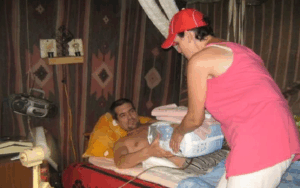
Ivan Demian was left bedridden following a traffic accident. His wife’s salary as a nurse does not cover the family’s basic needs, so our partners have stepped in to supply clothing and medical supplies.


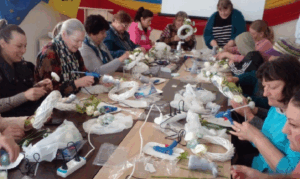
A community craft project run by Crossroads’ partners not only provides materials that local people would find unaffordable, but also the opportunity for local women and Ukrainian refugees to befriend each other.


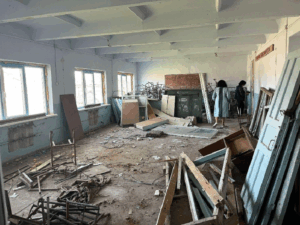
Early-stage renovation of the old village office provided to our partners. They are renovating it to become a multi-purpose centre for the elderly, youth, handicapped people and refugees. Items in Crossroads’ shipment will provide much of the furniture and equipment for this and the other rooms. We look forward to sharing the “after” pictures!


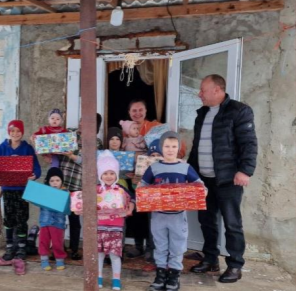
Christmas time can be a time of great rejoicing and sharing or one of loneliness and sorrow in this region that remains deeply attached to its religious heritage. Our partners make a special effort to provide care packages of clothes, food and hygiene supplies to all the needy in their area, locals and refugees alike.

Moldova

Population: 3.55 million
Capital: Chișinău

Moldova is the poorest nation in Europe. There are currently 7,000 children in state-run institutions but only 2% are orphans. The others were mostly abandoned by parents because of poverty.

Moldova is a landlocked country in Eastern Europe, formerly part of the Soviet Union. Our partner project is actually based in Transnistria, a breakaway state, autonomous but with limited international recognition. It has a population of 505 thousand, and its capital is Tiraspol. The regional government is strongly pro-Russia, with a socialist/ communist ethos.
Source: Wikipedia & project brief

Benin: New hope for the vulnerable and isolated

Benin, West Africa, is a land rich in natural beauty, but it is sadly also one of the world’s poorest nations....

read more ...

Guinea: Building infrastructure and skills

Since governmental structures in Guinea finally stabilised about fifteen years ago, the country’s economy has gradually improved. However, refugees fleeing civil...

read more ...

Malawi: Looking up and forward

Malawi is a country working hard to lift its people out of its challenging history.  Since gaining independence nearly sixty years...

read more ...

Cameroon: Empowering and rebuilding

Crossroads’ partner for this shipment originally began their work in a busy market town, aiming to provide support for widows, a...

read more ...

During a vicious civil war that lasted ten years, one of the standard punishments for being on the “wrong” side was the amputation of one or more limbs. Even young children suffered the same fate as a warning to their families. Part of the result of this conflict was thousands of boys and men feeling ashamed and isolated, unable to provide for their families or attend school.

Then a small group of people, inspired by seeing paralympic sports on television, decided to try and organise their own football game. The idea took off like wildfire. Although most players only had old, wooden crutches at first, just getting out of the house to join others like themselves to kick a ball around the beach led to huge improvements in the men’s mental and physical well-being.


These items made a significant difference in our ability to overcome challenges.” NGO regional coordinator

The men started to advocate for themselves and do fundraising for prosthetics, wheelchairs and better crutches not only for themselves but also for other handicapped people in the community. This movement spread throughout Sierra Leone over the next several years, with amputee football players becoming local heroes.

With their work continuing to grow and now including adult literacy and vocational training programmes, they reached out to Crossroads for assistance.

It was a real privilege to do so and we are delighted to see this shipment lead to establishment of a new school library, computer training centres, and a gymnasium as well as providing mobility aids for more people to join sporting and other activities.


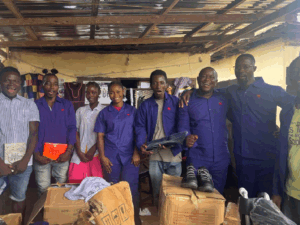
Broad smiles greet the arrival of goods including items ranging from laptop computers and school textbooks to sports boots and clothing.


Some members of an amputees’ soccer team take a break from loading the container contents into their local warehouse before further distribution.


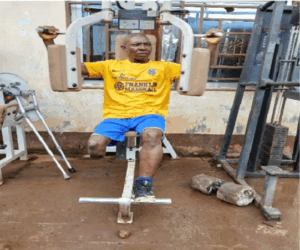
Mohamad Kamara is the captain of the Freetown team. He expressed gratitude for the gym equipment in the shipment: the various machines help him and his team stay in good condition during the rainy season.


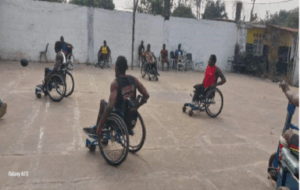
A wheelchair soccer game in progress. Crossroads’ shipment included wheelchairs and crutches that are benefitting amputee sports clubs in four districts of the country.

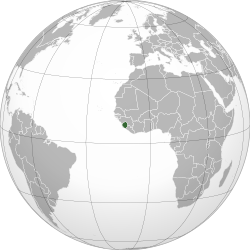
Sierra Leone 

Population: 8.9 million
Capital: Freetown
Main languages: English (official), Mende, Temne, Krio
Poverty rate: 60% of the population survives on less than US$2 per day.

This small country boasts both great natural beauty and mineral wealth but issues including high level corruption and tropical diseases like Ebola have left it as one of the 10 poorest countries in the world.   Although its people are known as resourceful, hard-working, and resilient, most of them currently use these strengths simply to stay alive.

Sources: CIA Factbook, BBC


Benin: New hope for the vulnerable and isolated

Benin, West Africa, is a land rich in natural beauty, but it is sadly also one of the world’s poorest nations....

read more ...

Guinea: Building infrastructure and skills

Since governmental structures in Guinea finally stabilised about fifteen years ago, the country’s economy has gradually improved. However, refugees fleeing civil...

read more ...

Malawi: Looking up and forward

Malawi is a country working hard to lift its people out of its challenging history.  Since gaining independence nearly sixty years...

read more ...

Cameroon: Empowering and rebuilding

Crossroads’ partner for this shipment originally began their work in a busy market town, aiming to provide support for widows, a...

read more ...

Climate change and even volcanic eruptions are disrupting more and more lives in Philippines. Away from the city, a lack of roads, infrastructure, and schools means a severe disconnect from civilisation. More than one hundred native ethnic groups find themselves caught between two worlds. Do they keep their traditional ways and lands, or do they sacrifice them for education and job opportunities? These are the questions facing all these ethnic minorities.

Crossroads’ partners initially started listening to one tribal group in one small area and discovered that within five years a little focussed support brought major benefits to the entire community – they helped people access agricultural programmes already established by the government in other areas, provided literacy tutoring and advocated with the government for the tribe to have land management rights in their traditional homeland.

Crossroads now has the opportunity to assist our partners in furnishing and equipping their first residential skills training centre. To that end, this shipment will include commercial kitchen equipment, sewing fabrics, domestic and classroom furniture and homewares, computers, basic medical items and musical instruments.
It is a great joy to be able to assist in establishing this new project!


Our partner provided training and start-up loan of HK$2000 to Garces Domulot for a fish farm. Within two years he repaid the loan and still had more than $10,000 profit. This money has both provided for his family as well as money for three other families to start their own fish farms.


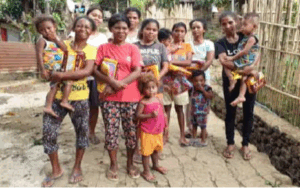
A group of indigenous women and children who have benefitted from our partner’s literacy programmes in Zambales. Most of the mothers were illiterate and they enjoyed sharing tutorial sessions with their children as a whole new world opened up to them through reading.


Bronson Romero started his poultry business with 25 chicks donated by our partner and his flock has increased to more than 100 birds. Sale of eggs and birds has improved nutrition and the general economy of his village, and now he helps people in other areas set up their own concerns.

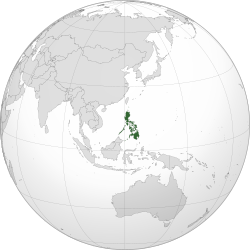
Philippines

Population: 116.5 million (2023 estimate)
Capital: Manila

The Philippines is a nation of more than 7,000 islands clustered in three main groups: Luzon, Visayas and Mindanao. It is also one of the most ethnically diverse countries in Asia, including about 140 distinct indigenous groups.
It is a country of huge contrasts even within small areas, with glistening skyscrapers and large slums, wealth and poverty, volcanoes and coral reefs, American-influenced pop culture and forest-dwelling tribes
maintaining their own ways and languages.
Sourcs: CIA Factbook

Benin: New hope for the vulnerable and isolated

Benin, West Africa, is a land rich in natural beauty, but it is sadly also one of the world’s poorest nations....

read more ...

Guinea: Building infrastructure and skills

Since governmental structures in Guinea finally stabilised about fifteen years ago, the country’s economy has gradually improved. However, refugees fleeing civil...

read more ...

Malawi: Looking up and forward

Malawi is a country working hard to lift its people out of its challenging history.  Since gaining independence nearly sixty years...

read more ...

Cameroon: Empowering and rebuilding

Crossroads’ partner for this shipment originally began their work in a busy market town, aiming to provide support for widows, a...

read more ...

Over half of the population in Zimbabwe is under 20 years old, and Crossroads’ partner talks positively of their energy and optimism. But the dire economic situation in the country has caused major problems for the people, resulting in very low income levels, family breakdowns, substance abuse, and gender-based violence. Schools in rural areas often have only one teacher for 60 to 80 children. In addition, HIV/Aids is still rife in the country, and there is a lack of appropriate training for the communities and support for those affected.

The organisation ready to receive this shipment has a vision to empower deprived communities in education, agriculture and conservation, as well as sport and art. They want to work on building sustainable agricultural practices in order to alleviate poverty. This is achieved with innovative permaculture, conservation, sporting and educational programmes, all the while promoting the conservation of Zimbabwe’s biodiversity, wildlife and natural resources.


New ideas for Rural Communities
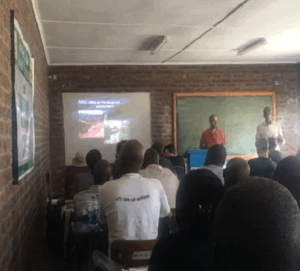
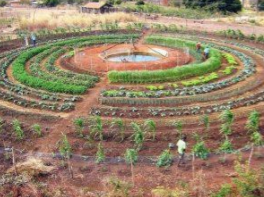
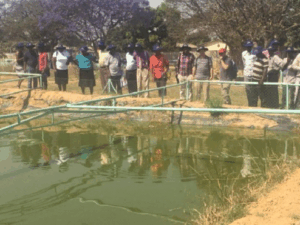
The project being supported by this shipment is working hard to introduce measures encouraging sustainable farming and market gardening. They have brought bee-keeping and the use of honey to improve nutrition, and skills to work the ground in small market gardens. They have tree-planting projects (for which they held a conference to spread information and techniques, photo below) and have introduced new wood-saving stoves which have transformed the community, partly by giving improved access to organic fertilizer and water conservation.


The project being supported by this shipment is working hard to introduce measures encouraging sustainable farming and market gardening. They have brought bee-keeping and the use of honey to improve nutrition, and skills to work the ground in small market gardens. They have tree-planting projects (for which they held a conference to spread information and techniques, photo below) and have introduced new wood-saving stoves which have transformed the community, partly by giving improved access to organic fertilizer and water conservation.


Another one of the numerous project beneficiaries was a young man called Trevor. At 17 he was a loner, walking the streets, sniffing glue to get high and involved in petty crime. He had lost a parent and the arrival of a stepmother drove him out of his home. But project workers met up with him, helped him through their work in the community, and he went on to be a reformed husband and father of a young daughter. He is involved in football activities and market gardening at the centre.

The consignee welcomes clothing and household goods which can be distributed to the local communities who struggle with poverty, as well as practical items to be used for training purposes, small businesses and health centres.


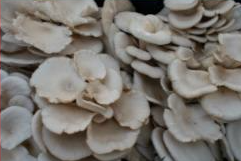
Following years of drought, the water table has lowered dramatically in the project area, making it impossible for most people to grow traditional subsistence or cash crops, notably maize, sweet potatoes and greens, or to rear chickens. But mushrooms are an ideal crop in these circumstances. They use a small fraction of the water required for other crops and have many times more yield per square metre, a much lower carbon footprint, high protein and vitamin B content, low input costs and a ready and accessible market.

Mrs O is a widow with 4 children, 3 boys and a girl. Since the death of her husband from HIV/Aids ten years ago, she has been struggling to make ends meet and at one time had decided to turn to prostitution to support her family. Fortunately, before she could turn to the oldest profession as a solution, NGO members came into contact with her and came up with a far better idea. She became proudly one of the beneficiaries of the mushroom hub project in one of the rural districts.

This shipment will help the NGO to expand their work in alternative farming practices.


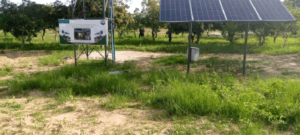
Fish farming has also been introduced, and a bore hole powered by solar panels was installed with help from external funding.

Zimbabwe

Capital: Harare
Population: 16.5 million
Major languages: English (official), Shona, Sindebele

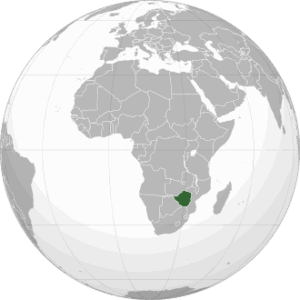
Zimbabwe is a landlocked country in southern Africa known for its dramatic landscape and diverse wildlife, much of it within parks, reserves and safari areas.

Zimbabwe’s economy has experienced severe challenges over the past decade. Drought, land reforms, global recessions and other factors have severely hindered economic growth. Poverty remains widespread and in rural areas, in particular, there have been severe food shortages. More than half the population are under the age of 20. 1.3 million people are living with HIV/Aids, exacerbating the problems of family breakdown and inadequate health care.

Source: UNICEF, BBC, Avert

Benin: New hope for the vulnerable and isolated

Benin, West Africa, is a land rich in natural beauty, but it is sadly also one of the world’s poorest nations....

read more ...

Guinea: Building infrastructure and skills

Since governmental structures in Guinea finally stabilised about fifteen years ago, the country’s economy has gradually improved. However, refugees fleeing civil...

read more ...

Malawi: Looking up and forward

Malawi is a country working hard to lift its people out of its challenging history.  Since gaining independence nearly sixty years...

read more ...

Cameroon: Empowering and rebuilding

Crossroads’ partner for this shipment originally began their work in a busy market town, aiming to provide support for widows, a...

read more ...

Over the past few decades, it seems that the people of Syria have hardly even had time to draw on breath between crises. Trying to recover after a civil war, dealing with radical attacks, receiving hundreds of thousands of refugees from neighbouring, even more unstable, countries, and then a huge and destructive earthquake.

Over these years, Crossroads has established a partnership with a group working in some of the most troubled areas of the country and this is the fifth shipment we will be sending to them. With ever more people driven from their homes by natural disasters, political strife, prejudice against minorities and violent conflicts, scope for our partners’ work just continues to grow!

Their particular emphases are on emergency relief, providing medical infrastructure and personnel, and helping displaced people to establish small businesses.

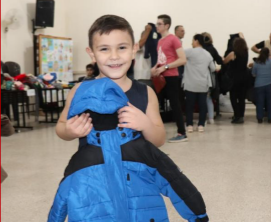
For this shipment, they have specially asked us to send computers for their “caravan classrooms,” medical equipment and nursing supplies for care of the elderly, kitchen goods to assist people starting small businesses, toys to bring joy and distraction to traumatized children and – as always – as much clothing, footwear and camping supplies as will possibly fit in one container.


“There was a huge amount of appreciation when people learned that the goods came from people they had never met!” wrote our partners after delivery of the previous container we sent.

The goods were distributed among nine different refugee camps, medical clinics and schools as well as to villages with populations of ethnic and religious minorities that are frequently overlooked by larger aid agencies.


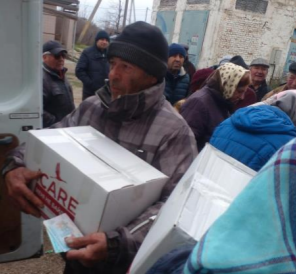
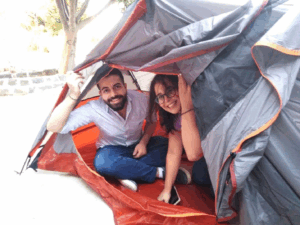
Tents and sleeping bags are literal lifesavers for those whose homes had been destroyed by natural disaster or by violence – snow and freezing temperatures are common in the mountainous areas.


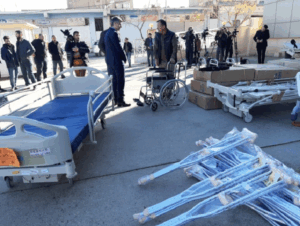
Sourcing equipment for clinics in remote areas and refugee camps is a key part of our partners’ work in Syria and surrounding areas.


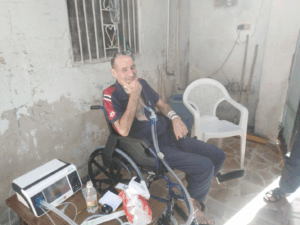
Ghassan lost his family, his home, his job and his health as the result of war in his district. Provision of a wheelchair, oxygen concentrator and a good bed have literally saved his life.

Population: 23.8 million (est.)
Capital: Damascus (one of the oldest continuously occupied cities on earth)
Official language: Arabic
Poverty rate: >60% (2022). Owing to communications in rural areas being disrupted by violence and the massive earthquake eighteen months ago, it has not been practical to obtain updated figures.
Internally displaced people: 6.7million (2022)

There are also tens of thousands of refugees from surrounding countries now living in Syria, mostly ethnic minorities from Turkey and more recently those fleeing societal breakdown in Lebanon and the Palestinian/Israeli conflict.

Benin: New hope for the vulnerable and isolated

Benin, West Africa, is a land rich in natural beauty, but it is sadly also one of the world’s poorest nations....

read more ...

Guinea: Building infrastructure and skills

Since governmental structures in Guinea finally stabilised about fifteen years ago, the country’s economy has gradually improved. However, refugees fleeing civil...

read more ...

Malawi: Looking up and forward

Malawi is a country working hard to lift its people out of its challenging history.  Since gaining independence nearly sixty years...

read more ...

Cameroon: Empowering and rebuilding

Crossroads’ partner for this shipment originally began their work in a busy market town, aiming to provide support for widows, a...

read more ...