Helping Prisoners and their Families
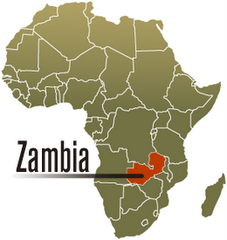
Life in a Zambian prison can be a dismal experience.
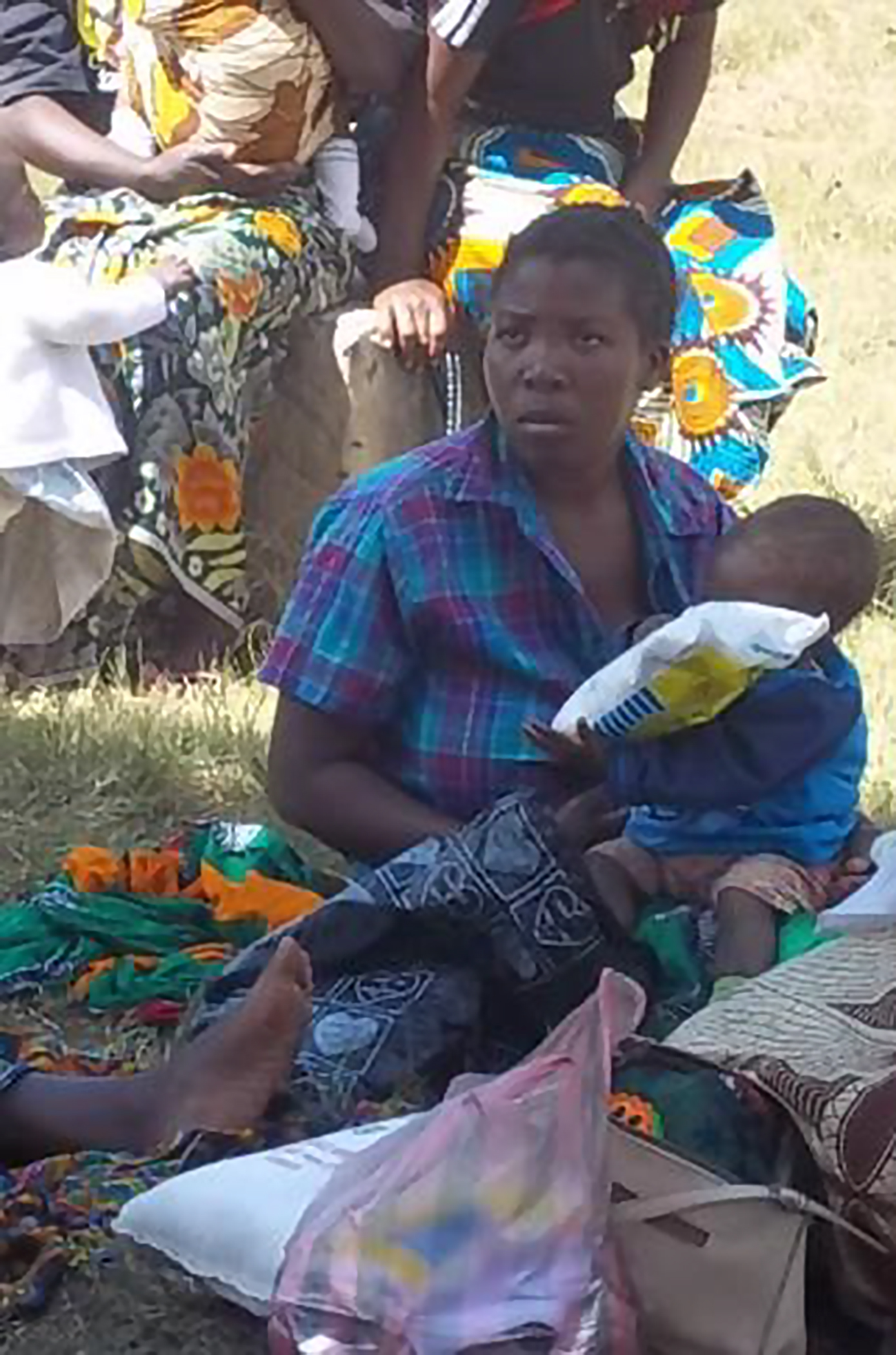 When prisoners are released in Zambia, all too often they enter a new state of imprisonment, locked into poverty, as they find nobody will employ them, and they can be shunned by family and community. This leaves thousands of former prisoners without any way to rebuild their lives, even when they are ready to work hard and make a fresh start. “Most of them are destitute,” write our partners.
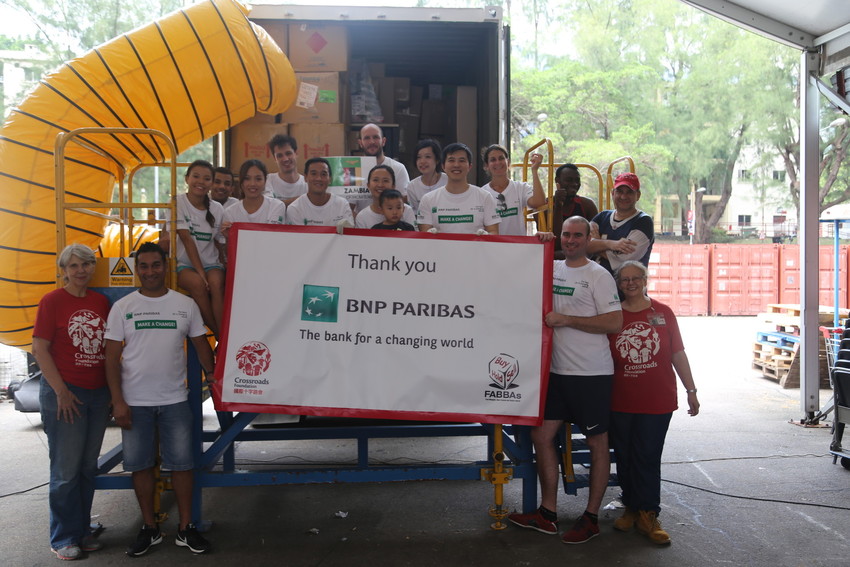
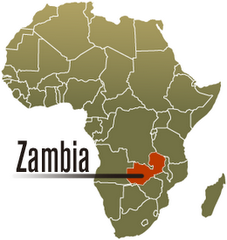
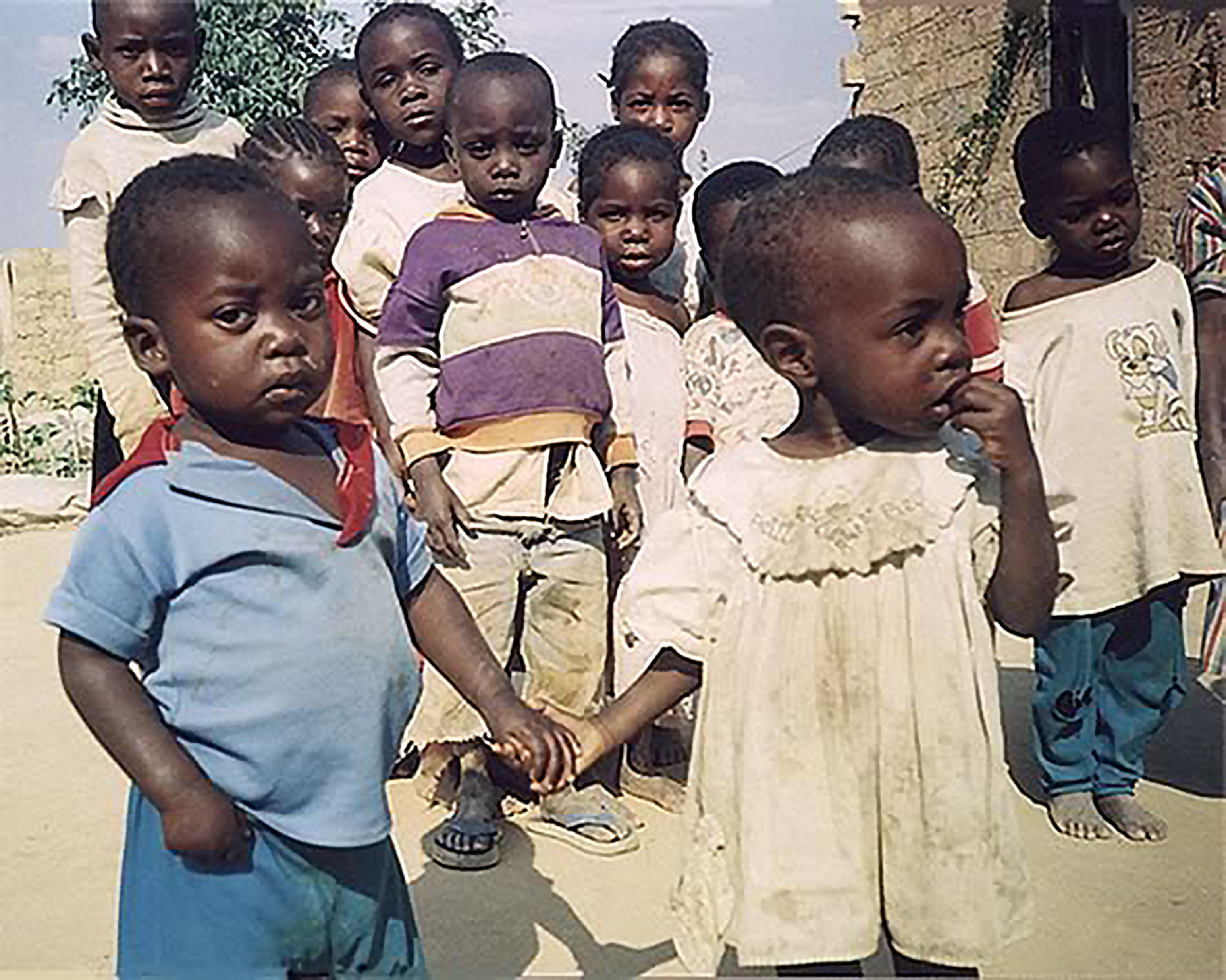
The NGO we are shipping to has worked closely with more than 20,000 prisoners, ex-prisoners and their families in Zambia since they were founded in the 1980’s. To prisoners, they give counsel and support, as well as meeting material needs of those who have nobody to bring clothing, blankets or medicines not provided by the institution. For those who are released, they help with advice, counsel and small business loans to help people start afresh. Children and families of prisoners are often left deeply impoverished, and sometimes shunned themselves. Our partners care for their needs with clothes, blankets and other necessities, as well as financial help for schooling. Crossroads’ shipment will help boost their supplies of goods for distribution, and will support the administration of their programmes.
Shipment includes:
- Clothing, shoes and blankets for former prisoners and their families
- Computers for administration and training
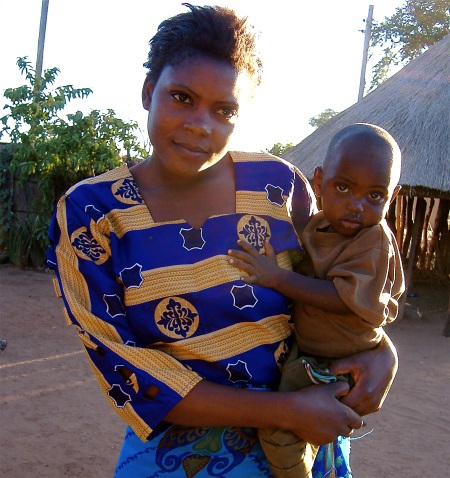
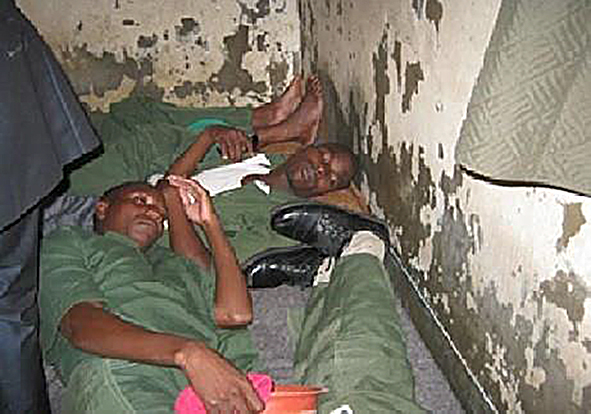 Life in a Zambian prison can be a dismal experience. Our partners offer counselling, advice, medical care and support to the prisoners themselves and to prisoners’ families. “They are discriminated against because of their association with prisoners,” write our partners. Often families lose their primary breadwinner when a father and husband is imprisoned.
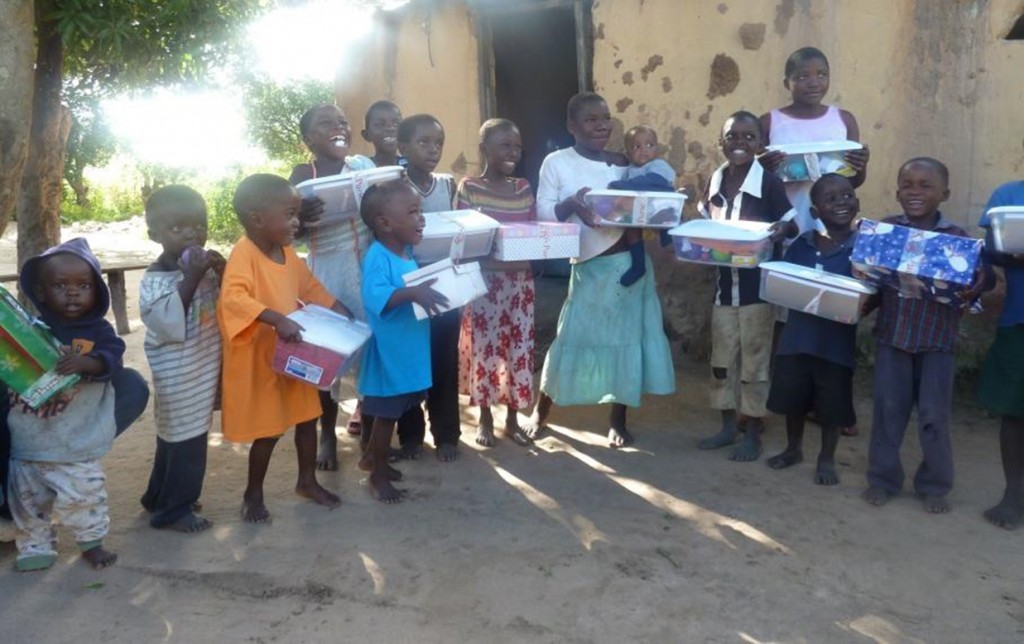
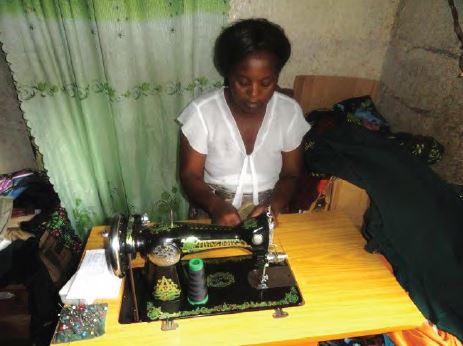
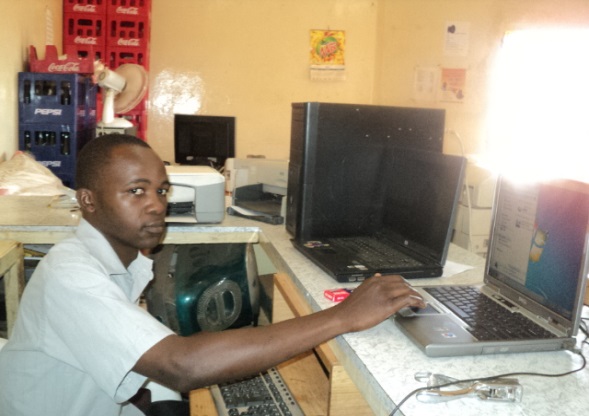 Brian (right) benefitted greatly from the computers which arrived in a container from Crossroads – he learnt up-to-date skills at the project’s computer school and was able to find work in a business centre. Then he was able to take part in a government election registration exercise, and with the money he was paid he started ‘B and D business centre’, employing four people!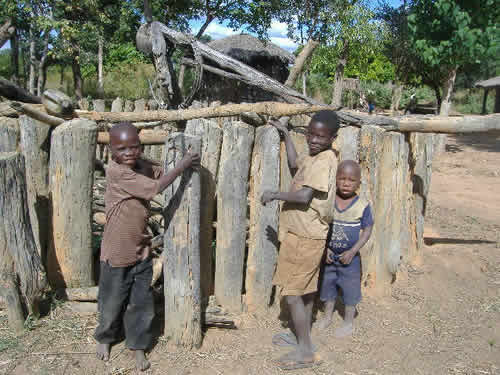
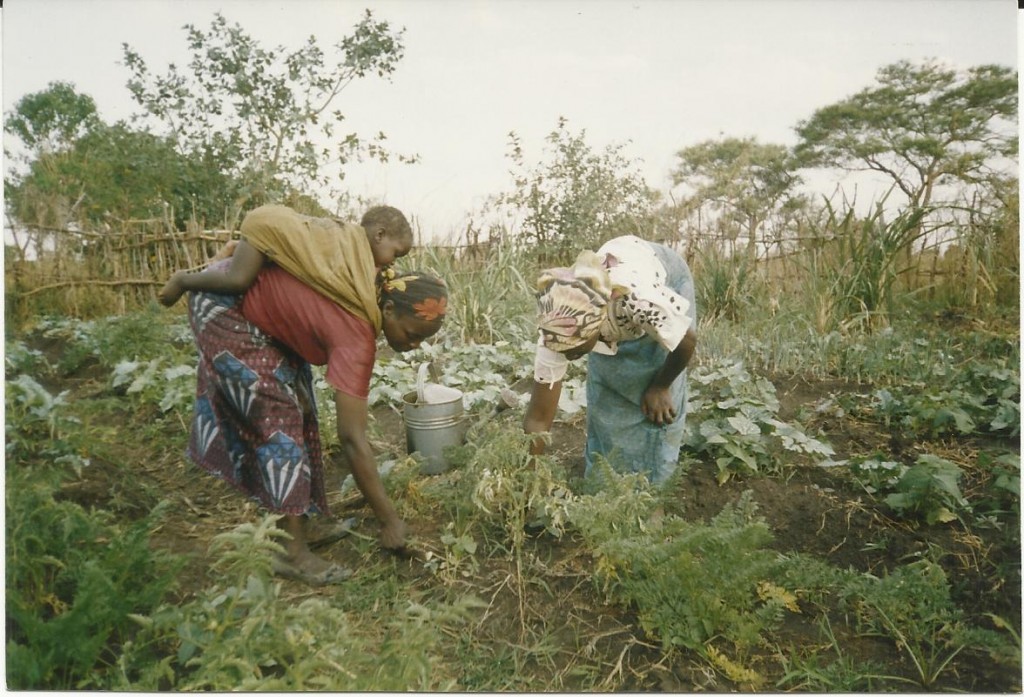
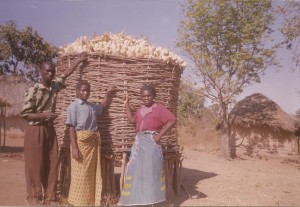 The Lungu family know what it means to feel starving. Each year, their small farm plot only grew enough food to last three months. For the rest of the year, they lived on what small amount of food their meagre income could purchase, which was scarcely enough to live on.
 Maiko (left) didn’t think he would ever finish school. His parents died of HIV/Aids, leaving Maiko and his siblings in the care of their elderly grandfather. Crossroads’ partners took Maiko into their programme and supported him, not only through school but on to a tertiary Education College. Now, Maiko works as a teacher and supports his entire family.